0%

I can write the introduction, but no source articles or verified expert quotation were included. To avoid inventing industry data or attributing a fabricated quote, please provide the report and expert quote you want cited, or allow an introduction without a direct expert quotation.
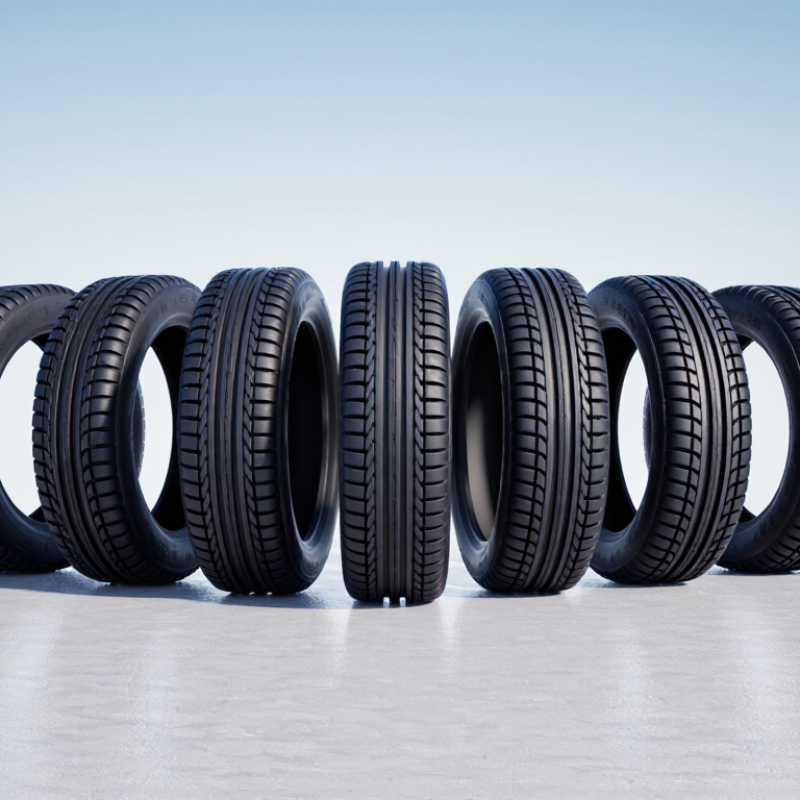
7 Best MODZ 14 Inch Radial Street Tires for Golf Carts?

Understanding MODZ 14-Inch Radial Street Tires for Golf Carts

Understanding 14-inch radial street tires starts with more than wheel diameter. The tire’s full size, width, load rating, and wheel compatibility all matter. Radial construction lets the tire’s sidewall and tread flex differently from a bias-ply design, which can support a smoother ride on paved paths. The benefit depends on the cart, tire pressure, and surface. It is not automatic.

A street-oriented tread usually has shallower, more continuous grooves than an off-road pattern. On clean pavement, that can feel steady and quiet. On wet grass, loose gravel, or muddy ground, it may offer less grip. Check the tire’s load rating against the cart’s weight, passengers, and cargo, and confirm that the wheel clears the brakes and bodywork. A tape measure helps; so does checking the cart maker’s fitment guidance. Small differences can cause rubbing when turning. That matters. It is easy to choose by appearance and overlook pressure requirements; I would verify the sidewall markings and inspect tread wear regularly. A tire can look suitable yet ride poorly when overinflated or mismatched to the cart.

7 Best 14-Inch Radial Street Tire Sizes for Golf Carts: A Practical Comparison

Rank Metric Tire Size Nominal Section Width Sidewall Height Overall Diameter Approx. Revolutions per Mile General Fit Consideration
1 205/30R14 205 mm (8.07 in) 61.5 mm (2.42 in) 478.6 mm (18.84 in) About 1,063 Shortest listed diameter; check ground clearance and load capacity.
2 225/30R14 225 mm (8.86 in) 67.5 mm (2.66 in) 490.6 mm (19.31 in) About 1,038 Wider, low-profile option; confirm wheel-width compatibility.
3 215/35R14 215 mm (8.46 in) 75.3 mm (2.96 in) 506.1 mm (19.93 in) About 1,015 A moderate-width, low-profile size; check steering and suspension clearance.
4 205/40R14 205 mm (8.07 in) 82 mm (3.23 in) 519.6 mm (20.46 in) About 986 Taller sidewall than the 30-series sizes; verify total tire diameter against the cart.
5 215/40R14 215 mm (8.46 in) 86 mm (3.39 in) 527.6 mm (20.77 in) About 973 A taller, moderate-width profile; check fender and body clearance.
6 225/40R14 225 mm (8.86 in) 90 mm (3.54 in) 535.6 mm (21.09 in) About 960 Wider and taller; confirm wheel, suspension, and load specifications.
7 235/40R14 235 mm (9.25 in) 94 mm (3.70 in) 543.6 mm (21.40 in) About 946 Widest and tallest listed size; requires careful clearance and load-rating checks.

Dimensions are nominal calculations from the tire-size format; actual mounted dimensions can vary by tire design and measuring rim. These sizes are comparison examples, not a guarantee of availability or fit. Before purchase, confirm the tire’s load rating, approved rim-width range, pressure requirements, and clearance on the specific golf cart.

Key Features to Compare When Choosing a Street Tire

Compare more than the 14-inch rim size. That measurement describes the wheel, not the tire’s overall diameter. Check the tire’s full size, approved rim width, bolt pattern, and load rating against your cart’s manual. The Tire and Rim Association’s Year Book provides standardized tire dimensions and load tables, useful references when matching a tire to a wheel. A higher load rating is not a substitute for confirming the cart’s limits. Small detail.

Tread design matters on pavement, especially when rain leaves a slick film across a driveway. Look for continuous center ribs for steady tracking and grooves that can channel water away; aggressive patterns may add noise on hard surfaces. NHTSA’s tire safety guidance uses 2/32 inch as the minimum tread-depth replacement benchmark. That is a wear limit, not a promise of strong wet grip. Compare the specified cold inflation pressure, too, and check it with a gauge before driving. I would not assume a radial tire automatically rides better; cart weight, suspension, and pressure all affect feel. Worth checking.

Seven MODZ 14-Inch Radial Street Tire Options

Seven 14-inch radial street-tire options can suit different golf-cart setups and driving habits. A smooth-tread option favors quiet rides on clean pavement. A rain-focused pattern offers more channels to move water from the contact area. A comfort-oriented design may soften the feel of patched roads. Noise matters.

Other choices include a reinforced-sidewall tire for carts carrying heavier loads, a lower-profile style for a firmer road feel, an all-season street pattern for changing conditions, and a touring-style option aimed at steady neighborhood driving. These are useful categories, not guarantees of performance. Tread design, tire construction, and cart setup all affect how a tire behaves.

Before choosing, check the wheel’s 14-inch rim size, the tire’s load rating, and its overall diameter against the cart manufacturer’s guidance. A tire can fit the rim yet still rub the body or alter handling. Measure twice. Also consider your usual route: smooth pavement, damp streets, and rough driveway edges place different demands on a tire. Specifications can vary, so confirm the exact dimensions and ratings for the option you are considering. A little uncertainty is normal; fitment should not be guesswork.

7 Best 14-Inch Radial Street Tire Size Options for Golf Carts

Nominal overall diameter comparison for seven 14-inch radial street-tire sizes

Diameters are calculated from the tire size markings: rim diameter plus twice the nominal sidewall height. Actual dimensions can vary by tire model. Check wheel-width compatibility, cart clearance, load rating, and local fitment requirements before choosing a size.

Checking Tire Fitment and Golf Cart Compatibility

A 14-inch radial street tire must match the cart, not just the wheel. In tire sizing, 14 inches refers to the rim diameter. For example, a nominal 205/50R14 tire has a 205 mm section width and an approximate 102.5 mm sidewall. The Tire and Rim Association Year Book provides industry dimensions and load-inflation tables, but actual clearance still depends on the cart’s wheel offset and suspension.

Check the bolt pattern, rim width, hub clearance, and tire load rating before ordering. Compare the tire’s rated capacity with the cart’s loaded axle weight, including passengers, bags, and accessories. The U.S. Tire Manufacturers Association advises checking pressure when tires are cold and following the vehicle maker’s recommended pressure. Don’t assume a street-tire pressure printed on a sidewall is the cart’s correct setting.

Measure from the wheel hub to the fender, then turn the steering fully in both directions. Look for contact with the body, suspension, or wiring; a stationary fit can hide rubbing during a tight turn. I still measure twice. A small clearance error can become noisy on uneven pavement. After installation, recheck lug torque and inspect for rubbing after a short, low-speed test drive.

Installation, Maintenance, and Safe Road Use

Before fitting 14-inch radial street tires, confirm the wheel diameter, bolt pattern, offset, load rating, and clearance in the cart manual. A tire may fit the rim but rub the body during a tight turn. Support the cart on stable stands, chock the wheels, and never rely on a jack alone. If a wheel, valve, or tire bead looks damaged, get help from a qualified technician. Tighten the lug nuts to the specified torque and recheck them after the first short drive.

Check tire pressure when the tires are cold, using the vehicle or tire maker’s recommended range. The maximum pressure printed on a sidewall is not automatically the right setting. Inspect tread and sidewalls for cuts, cracks, bulges, or trapped debris. Uneven wear can point to alignment or pressure problems. Small details matter. I’ve found that a quick visual check is useful, but it cannot replace a pressure gauge.

On the road, keep within the cart and tire speed and load ratings. Take corners gently, leave extra room for braking, and slow down on wet pavement or loose gravel. Added grip is not a guarantee against skidding. Listen for rubbing or vibration after installation, and stop to investigate anything unusual. Check local requirements for road use; fitting street tires alone does not make a cart road-ready.

FAQS

What types of 14-inch radial street tires can suit a golf cart?

Options include smooth-tread, rain-focused, comfort-oriented, reinforced-sidewall, lower-profile, all-season, and touring-style designs. Each suits different routes and preferences.

Does a 14-inch tire automatically fit a 14-inch wheel?

No. Check rim size, bolt pattern, offset, load rating, and overall diameter. A tire can fit the rim but rub the cart body.

How can I choose a tread pattern for my usual route?

Smooth pavement may suit a quiet, smooth tread. Wet streets call for water channels, while patched roads may feel better with a comfort-oriented design. Conditions vary.

What should I check before installation?

Confirm clearance and specifications using the cart manual. Measure carefully. If a tire bead, valve, or wheel appears damaged, ask a qualified technician for help.

How should the cart be secured during tire installation?

Use stable stands and chock the wheels. Never rely on a jack alone. Tighten lug nuts to the specified torque, then recheck them after a short drive.

How do I check tire pressure and condition?

Check pressure when tires are cold and follow the recommended range. The sidewall’s maximum pressure may not be the right setting. Look for cuts, cracks, bulges, debris, or uneven wear.

What driving habits help with street tires?

Keep within the cart’s speed and load ratings. Take corners gently, allow more braking room, and slow down on wet pavement or loose gravel. Grip has limits.

Do street tires make a golf cart ready for road use?

Not by themselves. Check applicable local requirements and the cart’s guidance. Listen for rubbing or vibration after installation, and stop to investigate unusual signs. A visual check can miss things.

Conclusion

This guide explores how MODZ 14-Inch Radial Street Tires can support a smoother, more controlled ride on paved roads. It explains the basics of radial tire construction and highlights the key factors to compare when choosing a street tire, including tread design, ride comfort, traction, durability, and load capacity. The seven options are presented as choices to evaluate according to driving conditions and personal priorities, rather than as a one-size-fits-all recommendation.

Before selecting a tire, readers should confirm that its size, load rating, and clearance are compatible with their golf cart and wheels. The guide also covers proper installation, routine checks for pressure and wear, and practical steps for safer road use. Careful fitment and maintenance can help promote dependable handling and extend tire life.

Evelyn

Evelyn

Evelyn is a highly skilled marketing professional with a deep understanding of the company’s products, customers, and evolving industry landscape. With a strong ability to translate technical features into clear, practical value, Evelyn creates informative content that helps readers make confident......