Street Legal Electric Golf Carts are moving beyond golf courses and private communities. Buyers now compare them with compact urban vehicles, focusing on range, safety equipment, charging time, and local road eligibility. Grand View Research estimates that the global electric golf cart market will continue expanding through 2030, supported by lower operating costs and demand for quiet mobility. MarketsandMarkets also identifies lithium-ion batteries, fleet electrification, and neighborhood transportation as major growth drivers.
The numbers are useful, but not perfectly aligned. Market reports define “electric golf cart” differently, so forecasts should be read carefully. Real-world performance can change with hills, passenger weight, temperature, and tire pressure. Small details matter. A model advertised with a 40-mile range may deliver less in daily traffic.
As Club Car executive Mark Wagner has observed, “The future of personal transportation is smaller, smarter, and more sustainable.” That idea helps frame this guide, but it should not replace practical testing. The best Street Legal Electric Golf Carts are not simply the fastest models. They balance braking performance, lighting, seat-belt systems, visibility, battery quality, service access, and total ownership cost.
This overview compares leading 2026 models using manufacturer specifications, independent industry research, and practical ownership considerations. It also separates manufacturer claims from verified details where possible. Legal requirements vary by location, including registration, insurance, speed limits, equipment, and permitted roads. Buyers should confirm those rules with their local transportation authority before purchasing. That step feels tedious. It can prevent an expensive mistake.
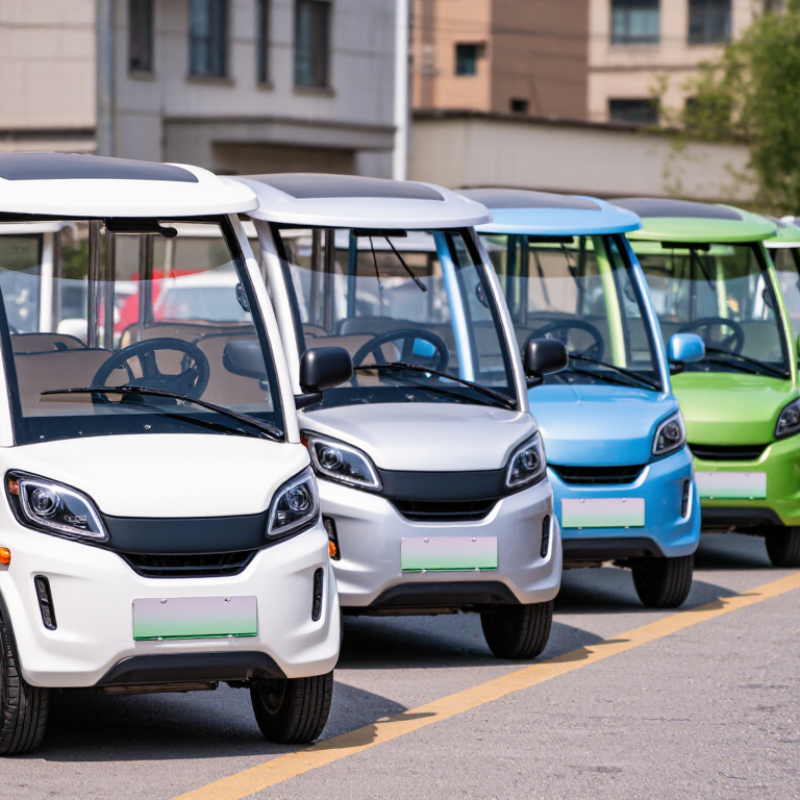
In 2026, “street legal” depends on vehicle classification and local road rules. Electric power alone does not create legal status. In the United States, many qualifying carts fall under the low-speed vehicle category. NHTSA defines an LSV as a four-wheeled vehicle with a gross vehicle weight below 3,000 pounds. It must travel faster than 20 mph, but not exceed 25 mph.
The required equipment is practical and visible. Federal Motor Vehicle Safety Standard No. 500 calls for headlights, taillights, brake lights, turn signals, reflectors, mirrors, seat belts, a parking brake, and a windshield. A vehicle identification number also matters. Missing one small item can create a registration problem. That detail is easy to overlook.
Local approval remains the difficult part. The U.S. Department of Energy’s Alternative Fuels Data Center reports that registration, insurance, licensing, and road access vary by state and municipality. Some areas restrict these vehicles to roads with lower speed limits. Others require inspections or additional safety equipment. Buyers should compare the cart’s certified speed, weight rating, lighting, and documentation with local rules. Dealer claims are not enough. The label can be useful, but imperfect. I would verify every requirement with the local motor-vehicle authority before daily commuting.
What Are the Top Street Legal Electric Golf Carts in 2026?
The strongest street-legal electric golf carts in 2026 balance safety, range, comfort, and simple maintenance. Legal approval varies by location, so verify registration, insurance, equipment, and speed requirements with your local transport authority. Check the paperwork.
Start with the safety equipment. A compliant model should include headlights, brake lights, turn signals, mirrors, a horn, seat belts, and approved tires. A windshield and reliable wipers make rainy commutes less stressful. Strong hydraulic brakes and responsive steering matter more than decorative screens. I would also inspect the vehicle identification number, certification labels, and lighting controls before buying.
Battery performance deserves careful comparison. Lithium batteries usually reduce weight and charging time, while lead-acid systems may cost less initially. Ask about usable range, battery warranty, replacement pricing, and charging behavior in cold weather. Range matters. A test drive should include a hill, a tight turn, and a rough patch of pavement. Listen for suspension noise and watch how quickly the cart stops. Storage, passenger capacity, ground clearance, and payload can change daily usefulness. A larger cart may feel comfortable, yet become awkward in narrow parking areas. I have seen buyers focus too much on maximum speed and overlook poor weather protection. That is an easy mistake. Reliable service access and clearly documented maintenance can matter more than extra accessories.
The best street-legal electric golf cart depends on how and where you drive. For short neighborhood trips, choose a compact four-seat model with responsive steering, headlights, turn signals, mirrors, seat belts, and reliable brakes. Its narrow body helps with tight lanes and crowded parking areas. A quiet motor also suits early morning errands.
For daily commuting, range matters more than appearance. Look for a larger battery, weather-resistant wiring, regenerative braking, and a clear dashboard. A covered cabin, windshield wiper, and strong lighting improve comfort during sudden rain. Families may prefer rear-facing seats, secure handrails, and storage under the front bench. Utility users need a stronger suspension, a flat cargo bed, and steady low-speed control. I have found that advertised range can drop sharply in cold weather, hills, or heavy traffic.
Tips: Check your local vehicle rules before buying. Requirements can include registration, insurance, a minimum speed rating, safety equipment, and approved lighting. Measure your garage first. Some models look small but need extra space for charging access. Ask for battery warranty details and charging time in writing. A test drive should include a slope, a tight turn, and a firm stop. Do not judge comfort from a showroom floor alone. Legal status may change by road, district, or vehicle specification, so confirm every detail with the relevant authority.
The top street legal electric golf carts in 2026 are not chosen by appearance alone. A suitable model should meet your local low-speed vehicle or neighborhood electric vehicle rules. Required equipment may include headlights, brake lights, turn signals, mirrors, a horn, reflectors, seat belts, a windshield, and road-approved tires. Some areas also require a vehicle identification number, parking brake, and certified safety glass.
Licensing rules differ sharply by state, province, or country. You may need registration, insurance, a valid driver’s license, and a minimum driver age. Road access can also depend on posted speed limits. A cart approved for 25 mph may still be prohibited from faster roads. Check the transport authority before purchase. Ask for written compliance documents, not only a salesperson’s promise.
Tips: Measure your regular route first. Look for steep hills, poor lighting, and heavy traffic. Test the brakes with two passengers inside. Check that charging equipment is certified for your electrical system. Keep the battery compartment clean and dry. One easy mistake is assuming “street legal” means legal everywhere. It does not. Requirements can change between neighboring towns, and even experienced owners sometimes miss insurance or inspection rules. Safety improves when you treat the cart like a small motor vehicle, not a modified leisure vehicle.
| Rank | Vehicle Type | Typical Top Speed | Road-Legal Classification | Required or Expected Safety Equipment | Driver Licensing | Registration and Insurance | Typical Road-Use Eligibility | Typical Electric Range | Best Safety and Use Case |
|---|---|---|---|---|---|---|---|---|---|
| 1 | Factory-Compliant 4-Seat LSV | 20–25 mph |
Low-Speed Vehicle A four-wheeled vehicle designed to meet applicable federal LSV requirements. |
Headlamps, tail lamps, stop lamps, turn signals, reflex reflectors, parking brake, windshield, rearview mirrors, vehicle identification number, and seat belts for designated seating positions. | A valid driver’s license is commonly required. Minimum age and endorsement rules depend on the state or local jurisdiction. | Usually requires a title or certificate of origin, registration, license plate, and liability insurance when operated on public roads. Requirements vary by jurisdiction. | Often permitted on roads with posted speed limits of 35 mph or less, but the exact limit, prohibited roads, and crossing rules are controlled by state and local law. | Approximately 30–60 miles per charge, depending on battery capacity, load, terrain, weather, and speed. | Strong all-around choice for neighborhoods and short urban trips. Confirm that the vehicle has a compliance label and a valid vehicle identification number before purchase. |
| 2 | Factory-Compliant 2-Seat LSV | 20–25 mph |
Low-Speed Vehicle The same federal LSV speed and weight category generally applies, subject to certification. |
Federal-standard lighting, reflectors, mirrors, windshield, parking brake, seat belts, vehicle identification number, and other equipment required by the applicable safety standard. | A standard driver’s license is generally required for public-road operation. Local exceptions are uncommon and must be verified directly with the relevant authority. | Registration, title, license plate, and automobile liability insurance are commonly required for public-road use. | Commonly suitable for lower-speed public streets, planned communities, and short commutes where LSV operation is authorized. High-speed roads and limited-access highways are generally unsuitable or prohibited. | Approximately 25–55 miles per charge under typical light-load conditions. | Efficient for personal transportation and easier to maneuver than larger configurations. Use extra caution around larger vehicles, intersections, and blind driveways. |
| 3 | Enclosed or Weather-Protected LSV | 20–25 mph |
Low-Speed Vehicle Enclosure does not by itself establish street legality; the vehicle must still satisfy the applicable certification requirements. |
Required LSV lighting, mirrors, windshield, seat belts, parking brake, identification number, and other required safety equipment. Wipers, defrosting, doors, and windows may be required or recommended under state or local rules. | A valid driver’s license is typically required. Passenger and child-restraint rules may apply according to the jurisdiction. | Normally subject to the same title, registration, plate, and insurance requirements as other compliant LSVs. | Generally limited to authorized low-speed streets. Weather protection improves comfort but does not permit operation on roads where LSVs are prohibited. | Approximately 25–50 miles per charge; cold weather and heating systems can reduce range. | Useful in rain, wind, or cooler climates. Check visibility, window defogging, door latches, seat-belt anchorage, and emergency exit access. |
| 4 | Utility LSV with Cargo Capacity | 20–25 mph |
Low-Speed Vehicle Must remain within its certified gross vehicle weight rating and seating configuration. |
Required LSV lighting and occupant-protection equipment, plus secure cargo restraints. Overloading the cargo bed or exceeding the certified weight rating can create safety and legal problems. | A valid driver’s license is usually required on public roads. Commercial or workplace use may create additional training obligations. | Public-road registration and liability insurance are commonly required. Commercial insurance may be appropriate for business use. | Suitable only on routes permitted for LSVs. Cargo, trailers, and attachments may be restricted by local law or by the vehicle’s certification. | Approximately 20–50 miles per charge, depending heavily on payload, tires, terrain, and stop-and-go operation. | Best for campuses, facilities, and local service work. Keep loads low and evenly distributed, and use parking brakes whenever the vehicle is unattended. |
| 5 | Modified Golf Cart Intended for Public Roads | Usually 15–25 mph |
Conditional An aftermarket street-use kit does not automatically make a standard golf cart a federally compliant LSV. |
May include lights, mirrors, windshield, turn signals, seat belts, reflectors, and a parking brake. The equipment must be properly installed and accepted by the relevant authority; appearance alone is not proof of compliance. | A driver’s license is commonly required when local law allows the vehicle on public roads. Some jurisdictions impose age, permit, or neighborhood-specific conditions. | Requirements differ significantly. Some jurisdictions allow limited golf-cart registration; others require LSV-level certification, title, inspection, and insurance. | May be restricted to designated streets, specific communities, or roads below a locally defined speed limit. Written local authorization should be confirmed before use. | Approximately 15–40 miles per charge, depending on the battery system, terrain, and modifications. | Consider only after verifying vehicle certification, braking performance, steering condition, tire rating, seat-belt anchorage, lighting, and local approval. |
| 6 | Standard Off-Road Golf Cart | Typically below 20 mph |
Not Normally Street Legal A conventional golf cart is generally not an LSV unless it was manufactured and certified for that classification. |
It may have headlights or a windshield, but those features alone do not satisfy all required public-road safety standards. | Rules for private property or golf-course operation may differ. Public-road operation generally requires compliance with local vehicle and driver laws. | Usually not eligible for ordinary motor-vehicle registration unless a specific local golf-cart program applies. | Normally limited to private property, golf courses, or specially designated local roads. It should not be assumed to be legal on ordinary public streets. | Approximately 15–35 miles per charge. | Best for controlled private environments. Do not use on public roads without confirming classification, registration, insurance, and local authorization. |
In 2026, the best street-legal electric golf carts are not always the fastest or most expensive. A strong choice balances certified safety equipment, usable range, comfortable seating, and predictable ownership costs. Before purchasing, verify local rules for speed limits, lighting, mirrors, seat belts, registration, and insurance. Requirements vary by jurisdiction. A dealer’s promise is not enough; request written specifications and complete battery warranty terms.
Charging is usually simple, but daily habits affect the bill. A 120- or 240-volt outlet may work, depending on the onboard charger and electrical installation. One overnight charge can cover short neighborhood trips, yet cold weather, hills, heavy loads, and aging batteries reduce range. I would track energy use for a month rather than trust the dashboard estimate. That small test can expose optimistic range claims. Battery replacement remains the largest long-term expense, especially after frequent deep discharges or poor storage.
Routine maintenance is lighter than with a gasoline vehicle, but it is not maintenance-free. Inspect tire pressure, brakes, steering components, lights, and charging connections every few weeks. Technicians should check battery health, corrosion, suspension wear, and software faults during scheduled service. Budget for tires, brake parts, insurance, registration, electricity, and eventual battery recycling. Resale value depends on documented service, battery condition, body protection, and legal equipment. Some buyers overestimate savings. A cheaper cart can become costly after one neglected battery or repeated repairs.
Electric power alone does not create legal status. Many qualifying carts fit the low-speed vehicle category. They usually have four wheels and weigh under 3,000 pounds. Their speed must exceed 20 mph but remain below 25 mph. Local rules still decide road access.
Required equipment commonly includes headlights, taillights, brake lights, and turn signals. It should also have reflectors, mirrors, seat belts, and a parking brake. A windshield and vehicle identification number are important. Missing one small item can delay registration.
No. Road access varies by state, city, and district. Some areas limit carts to roads with lower speed limits. Others require inspections, insurance, or extra equipment. Some roads may be off-limits.
A compact four-seat cart works well for nearby errands. Narrow dimensions help with tight lanes and crowded parking spaces. Choose responsive steering, reliable brakes, mirrors, and visible signals. A quiet motor feels considerate during early morning trips.
Range matters more than appearance. Look for a larger battery and weather-resistant wiring. Regenerative braking can improve control during repeated stops. A dashboard, windshield wiper, covered cabin, and strong lighting add practical comfort. That comfort matters in sudden rain.
Treat advertised range as an estimate, not a promise. Cold weather, hills, and heavy traffic can reduce distance sharply. I would test the cart on a slope before deciding. The showroom floor cannot reveal every weakness.
Families may prefer rear-facing seats and secure handrails. Storage under the front bench can hold small bags or groceries. Seat belts should be easy to reach and fasten. A wider body may feel safer, but it can need more parking space.
Utility users should consider stronger suspension and a flat cargo bed. Steady low-speed control helps when carrying tools or supplies. Check the cart under realistic weight, not just while empty. That test may change your opinion.
Confirm local registration, insurance, speed, lighting, and equipment rules. Verify the cart’s weight rating and vehicle documentation. Ask for battery warranty terms and charging time in writing. Measure the garage, including space around the charging point. Test a slope, tight turn, and firm stop. A dealer’s claim may sound convincing, but verification is wiser.
Street Legal Electric Golf Carts in 2026 are designed to provide quiet, efficient transportation for neighborhoods, campuses, resorts, and short urban trips. A street-ready model typically includes required lighting, mirrors, seat belts, turn signals, a windshield, a horn, and other road-safety equipment. When comparing options, buyers should consider passenger capacity, driving range, charging time, battery type, speed capability, weather protection, storage space, comfort, and overall build quality. The best choice depends on whether the cart will be used for daily commuting, family transportation, property management, or recreational travel.
Before driving on public roads, owners should confirm local registration, insurance, licensing, equipment, and operating requirements, since regulations can vary by location. Long-term value also depends on electricity costs, battery replacement, routine inspections, tire care, brake maintenance, and access to qualified service. Choosing a dependable cart with practical features, strong safety systems, and manageable maintenance needs can make everyday travel more convenient and economical.