Premium Street-Legal Electric Golf Carts · Built In Monroe, Wisconsin
- About
- Models +
- Resource +
- Resources
- Find A Dealer
- Become A Dealer
- Warranty
- Contact

Explore our primary export-grade electric buggy & luxury LSV platforms engineered for global B2B distributors, resort operators, and commercial fleets.
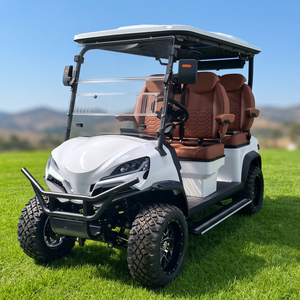
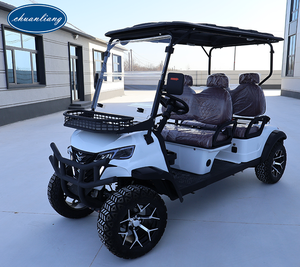
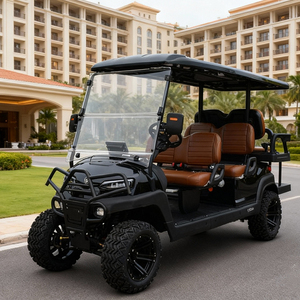
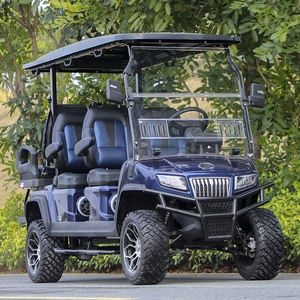
A comprehensive technical analysis of modern B2B electric vehicle manufacturing, market shifts toward street-legal micro-mobility, and scalable OEM production methodologies.
The global low-speed vehicle (LSV) and luxury golf cart market has undergone a structural revolution over the past decade. What was once dominated by standard, low-voltage lead-acid course buggies has rapidly expanded into a multi-billion-dollar enterprise centered around custom OEM luxury cart factories. Today's commercial fleets, master-planned gated communities, international luxury resorts, and urban micro-mobility distributors demand high-efficiency electric vehicles engineered with automotive-grade precision.
Navigating the supply chain for luxury electric carts requires evaluating factory manufacturing depth, structural welding standards, proprietary power electronics integration, and international regulatory compliance (such as US NHTSA FMVSS 500 LSV standards and European EEC L7e homologation). Leading OEM/ODM manufacturers are no longer mere assemblers; they act as primary technology integrators combining high-discharge LiFePO4 chemistry, CAN-bus telematics, customized automotive upholstery, and lightweight aluminum-alloy chassis.
Robotic TIG welding of anti-corrosive electro-coated steel or heat-treated aluminum frames ensures structural integrity under continuous 6-passenger load capacities across variable terrain.
Moving beyond legacy 36V and 48V systems, modern OEM luxury cart factories deploy 72V AC synchronous motors delivering superior gradient climbing torque and lower operational thermal stress.
Centralized controller area network (CAN-BUS) integration connects digital dash displays, Smart BMS monitoring, keyless ignition, and optional Apple CarPlay systems into a single diagnostic hub.
Understanding the factory floor processes that distinguish premium OEM manufacturing from low-tier regional assembly lines.
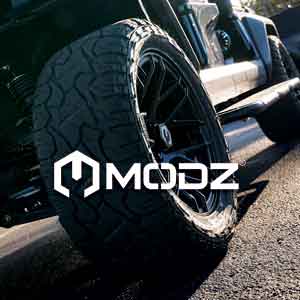
A core differentiator in OEM luxury cart production is rolling chassis calibration. Premier factories bypass traditional turf tires in favor of 14-inch steel-belted radial hybrid street tires paired with engineered MODZ aluminum alloy wheels. This drastically lowers rolling resistance, extends per-charge battery range by up to 14%, and guarantees whisper-quiet highway and neighborhood performance.
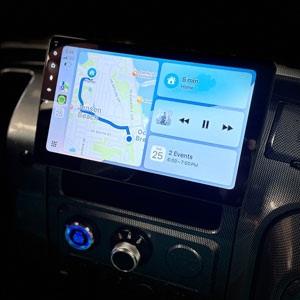
Modern luxury cart buyers expect the same digital convenience found in passenger automobiles. Advanced OEM factories integrate 10.1-inch capacitive infotainment displays into molded injection-dashboards during early assembly, eliminating aftermarket harness splicing.
A side-by-side engineering evaluation of standardized OEM luxury cart platforms for fleet buyers and regional distributors.
| Platform Category | Seating Capacity | Nominal Voltage | Motor Rating | Battery Configuration | Top Speed (Configurable) | Primary Target Application |
|---|---|---|---|---|---|---|
| 2-Seater Course Fleet | 2 Passengers | 48V AC | 4.0 kW AC Continuous | 105Ah LiFePO4 Eco Pack | 19 – 24 mph (30–38 km/h) | Golf Courses, Country Clubs, Practice Ranges |
| 4-Seater Lifted Strike | 4 (2+2 Flip Rear Seat) | 48V / 72V AC | 5.0 kW / 7.5 kW AC Peak | 105Ah / 160Ah LiFePO4 Pack | 25 mph (40 km/h - NHTSA LSV) | Gated Communities, Short-Hop Urban Travel |
| 4-Seater Forward Stealth | 4 Forward Facing | 72V AC High Power | 5.0 kW AC Synchronous | 105Ah / 160Ah LiFePO4 Pack | 25 – 28 mph (40–45 km/h) | Family Commuting, Utility Cargo, Daily Driving |
| 6-Seater Passenger Resort | 6 (4+2 Extended Roof) | 72V AC Heavy-Duty | 7.5 kW High-Torque AC | 160Ah High-Discharge Pack | 25 mph (40 km/h) | Resort Shuttle, Campus Mobility, Commercial Rental |
Strategic information gain for enterprise procurement managers, commercial buyers, and OEM brand owners preparing for next-generation micro-mobility demands.
Traditional 48V systems are rapidly losing market share to 72V architecture in the luxury segment. Higher voltage reduces current draw (Amperage) across wiring looms, minimizing thermal loss, extending electronic component lifespan, and unlocking instant hill-climbing torque for multi-passenger vehicles.
Global regulatory agencies are tightening rules on neighborhood electric vehicles (NEVs). Modern OEM cart factories now build models pre-equipped with 17-digit VINs, DOT-stamped safety windshields, 3-point seatbelts, side mirrors with embedded turn indicators, and full LED automotive lighting packages right off the line.
Distributors increasingly demand customizable front grilles, proprietary steering wheel badge inserts, custom seat stitching profiles, and tailored colorways. Leading OEM factories utilize modular mold tooling, enabling private-label partners to launch branded models without massive upfront capital investment.
When selecting a custom OEM luxury cart factory, enterprise buyers must audit quality control protocols beyond standard final assembly visual checks. Top-tier manufacturing facilities implement strict multi-stage testing processes:
Leveraging deep industrial expertise, scalable manufacturing infrastructure, and strict quality assurance to empower global dealers and resort operators.
From initial 3D CAD modeling to rapid prototype tooling, our engineering team works directly with global importers to create distinct body styling, dashboard layouts, and branded accessories.
All vehicles leave the factory fully compliant with international safety and quality standards, carrying ISO9001 quality management certification, CE marks, and NHTSA/EEC documentation support.
We maintain an active global spare parts buffer—ranging from replacement controllers and optical harnesses to custom seat assemblies—ensuring zero operational downtime for your dealer network.
Expert guidance answering critical questions raised by importers, fleet buyers, and dealers during factory selection and vehicle specification.
For North American street-legal Low-Speed Vehicle (LSV) operation, vehicles require compliance with NHTSA FMVSS 500 standards, including a valid 17-digit Vehicle Identification Number (VIN), DOT-approved safety glass windshield, certified seatbelts, automotive lighting, and reflectors. In European markets, vehicles must meet EEC/CoC L7e low-speed electric transport regulations. Our factory provides full documentation packages to streamline customs clearance and municipal DMV titling.
Our factory integrates Grade-A prismatic Lithium Iron Phosphate (LiFePO4) cells managed by a smart CAN-bus-enabled Battery Management System (BMS). The BMS actively monitors individual cell voltage, thermal equilibrium, over-charge/discharge protections, and short-circuit prevention. Backed by up to an 8-year factory warranty, these packs deliver 3,500+ charge cycles while requiring zero fluid maintenance compared to lead-acid alternatives.
Standard white-label OEM orders (utilizing existing chassis platforms with custom paint, logos, seat stitching, and dash options) typically start at 4 to 10 units (a standard 20ft/40ft shipping container load). Complete ODM custom body tooling or specialized utility chassis designs vary depending on prototype validation. Production lead times generally range from 20 to 35 calendar days following engineering sign-off.
A 72V AC powertrain system operates at higher electrical efficiency. Because power (Watts) equals Voltage × Current (Amperes), raising the operating voltage allows the motor to produce equal or greater wattage with significantly lower amperage. Lower amperage reduces heat buildup across the motor windings and controller electronics, preventing thermal throttling during steep inclines or heavy passenger hauling while boosting overall energy efficiency.
Absolutely. Factory customization options include lifted heavy-duty off-road suspension packages, 4X4 dual-motor configurations, front cargo baskets, gun racks, ambulance/stretcher rear decks, extended 6-to-8 passenger seating, and specialized utility cargo beds. Our modular engineering enables tailor-made solutions across all hospitality, security, and agricultural sectors.
Whether you are seeking a factory-direct supply of 72V street-legal electric carts, building a private-label fleet brand, or expanding your dealership inventory, our engineering team is ready to assist with full specifications, CAD drawings, and wholesale pricing structures.