Premium Street-Legal Electric Golf Carts · Built In Monroe, Wisconsin
- About
- Models +
- Resource +
- Resources
- Find A Dealer
- Become A Dealer
- Warranty
- Contact

Explore high-performance rear seat solutions engineered for Luxury MPVs, Electric Vehicles, Custom Vans, Utility Golf Carts, and Off-Road Conversions.
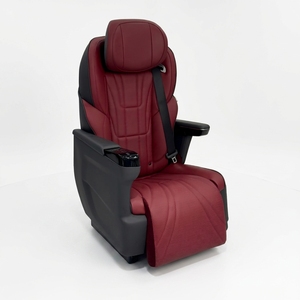
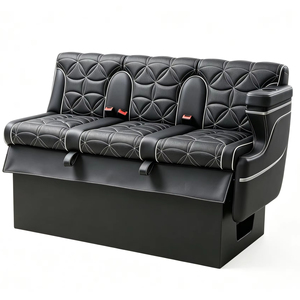
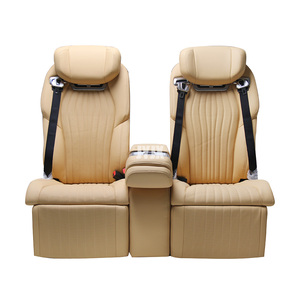
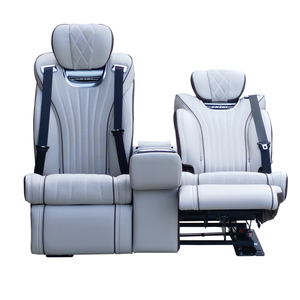
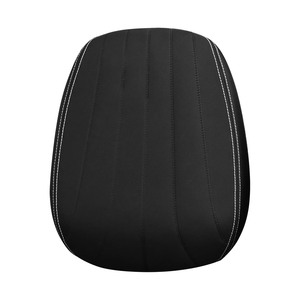
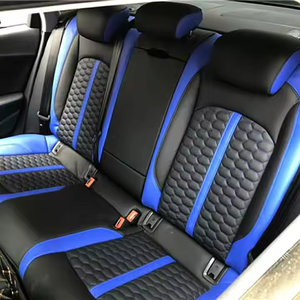
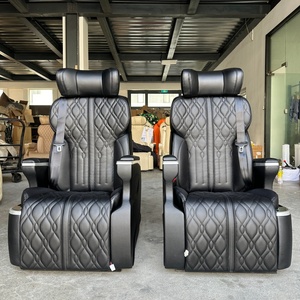
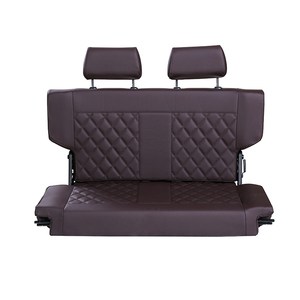
The global automotive rear seating architecture market is undergoing a seismic shift driven by changes in passenger intent, autonomous vehicle cabin redesigns, fleet electrification, and premium aftermarket demand. Traditionally viewed as secondary passive components, modern rear seat systems have evolved into sophisticated ergonomic hubs featuring active climate control, pneumatic massage systems, zero-gravity recline mechanics, and smart connectivity interfaces.
For B2B procurement managers, original equipment manufacturers (OEMs), automotive retrofitters, and luxury fleet managers, selecting the ideal rear seat supplier requires a deep understanding of structural integrity standards (such as FMVSS 207/210 and ECE R17 compliance), foam material resilience, actuation electronics, and CAN-bus integration capabilities. This whitepaper analyzes top tier-1 suppliers, custom OEM seating manufacturers, material engineering parameters, and global sourcing strategies designed to maximize product durability and passenger comfort while optimizing procurement costs.
Key Takeaway for B2B Buyers: Modern rear seating procurement demands more than aesthetic leather upholstery. Suppliers must demonstrate unified engineering—integrating crash-tested high-tensile steel frames, flame-retardant cold-cured polyurethane foam, low-power ECU controllers, and modular mounting rails compatible with multi-platform chassis (e.g., Mercedes-Benz V-Class, Toyota Alphard, Ford Transit, Jeep Wrangler, and custom Electric LSVs).
To assist automotive engineering and sourcing teams, the following evaluation matrix compares leading tier-1 automotive seating suppliers alongside specialized OEM luxury conversion factories based on technological capability, customization flex, certification, and market focus.
| Supplier Name / Tier | Primary Market Focus | Core Engineering Capabilities | Key Certifications | Customization Flex |
|---|---|---|---|---|
| Adient PLC (Tier 1) | Global Automotive Mass Production | Lightweight frame structures, foam formulation, complete vehicle seating | IATF 16949, ISO 14001, FMVSS 210 | Standard OEM Platforms |
| Lear Corporation (Tier 1) | Electric Vehicles & Luxury OEMs | Intuitive seating technology, micro-climate controls, surface materials | IATF 16949, ECE R17, E-Mark | Moderate / Modular Platform |
| Forvia (Faurecia) (Tier 1) | Smart Cockpit & Eco-Seating | Cockpit of the Future, bio-based foam, integrated safety systems | ISO 26262, IATF 16949, CCC | High Tech Integration |
| Toyota Boshoku (Tier 1) | Asian OEMs, MPVs & Executive Vans | VIP Ottoman seating, ultra-quiet linear actuators, luxury trim fitment | JIS Standards, IATF 16949 | High (Toyota/Lexus Chassis) |
| Magna International (Tier 1) | Global Multi-Vehicle Platforms | Stow 'n Go systems, power folding mechanisms, dynamic seating structures | FMVSS, ECE, IATF 16949 | High Mass-Volume Customization |
| ANSHI Auto Seating (Specialized OEM) | VIP Vans, MPVs, Luxury Off-Road & SUV | Electric recline sofa beds, touchscreen control, custom Nappa leather crafting | CCC, CE, DOT Compliant Components | Ultra-High (Custom Tailoring) |
| JYJX Interior Technologies (Specialized OEM) | Executive Bus, Sprinter & Alphard Conversion | Luxury rear captain chairs, integrated footrests, ambient lighting packs | ISO 9001, CE, E-Mark | Full Bespoke Engineering |
| VOGE Power Components (Specialized OEM) | Motorcycle, Powersports & ATV Rear Seating | Waterproof synthetic leather, high-density rebound foam backrests | ISO 9001, REACH Compliance | Custom Molded Shapes |
| Venom Mobility Solutions (EV Specialist) | Electric LSVs, Golf Carts & Resort Carts | Color-matched flip seats, steel-belted frame integrated harnesses | NHTSA LSV Safety Ready | Modular Utility Conversions |
| W447 Custom Interiors (Aftermarket OEM) | Mercedes Vito / V-Class / Metris Specialist | Direct bolt-on VIP rear seats, wire harness adapters, plug-and-play ECUs | CE, RoHS, CCC | Direct Fit Aftermarket |
High-reliability rear seating systems depend on precise material selection across four critical layers: the structural skeleton, the foam cushioning matrix, the electronic actuator network, and the exterior protective upholstery.
Modern rear seat frames utilize robotic-welded Q345B high-tensile steel combined with die-cast aluminum-magnesium alloys. This reduces overall seat mass by up to 22% while ensuring structural compliance with anchorage tensile tests exceeding 15,000 Newtons under ECE R14 testing parameters.
Unlike cheap cut foam that sags over time, premium rear seats employ high-resilience (HR) cold-cure molded polyurethane foam with density ratings of 55–65 kg/m³. This provides balanced pressure distribution, preventing driver fatigue over extended journeys and maintaining shape memory for 100,000+ deflection cycles.
Electric rear sofa beds and captain chairs integrate ultra-quiet brushless DC motors operating below 45 dB. Advanced models incorporate CAN-bus communication modules, enabling seat position memory, automatic collision return, touchscreen UI control, and integrated Peltier thermal heating/ventilation units.
Exterior covers range from full-grain perforated Nappa leather to microfiber automotive leather featuring custom two-tone honeycomb quilting. Treatments include hydrophobic nano-coating, anti-microbial protection, and strict compliance with FMVSS 302 flammability standards.
As the global automotive industry transitions toward electric vehicle architectures and autonomous mobility, rear seating specifications are undergoing rapid innovation. Sourcing professionals must align their supply chains with the following three macro trends:
With Level 4 autonomous technology expanding in urban shuttles and executive transport, rear seats are moving away from fixed forward-facing configurations. Supply chains are prioritizing 180-degree electrical swivel bases, tracks with long-slide range (>800mm), and fold-flat bed transformations that allow rear cabins to convert seamlessly from mobile offices into rest lounges.
Next-generation luxury rear seating integrates biometric sensors directly into the backrest fabric to measure passenger heart rate and respiration. Coupled with multi-chamber pneumatic massage bladders (up to 8-point independent massage cycles), suppliers are transitioning seats from passive hardware into active wellness devices.
Tier-1 automotive OEMs are establishing strict Scope 3 carbon reduction targets. In response, leading rear seat suppliers are replacing petroleum-derived polyols with soy-based foams, utilizing 100% recycled PET thread, and adopting chrome-free tanned leathers and plant-based vegan leather alternatives without compromising tear strength or UV resistance.
When partnering with our manufacturing network for custom rear seat procurement, business clients leverage end-to-end industrial capabilities designed to streamline project lifecycles from rapid prototyping to mass production delivery: