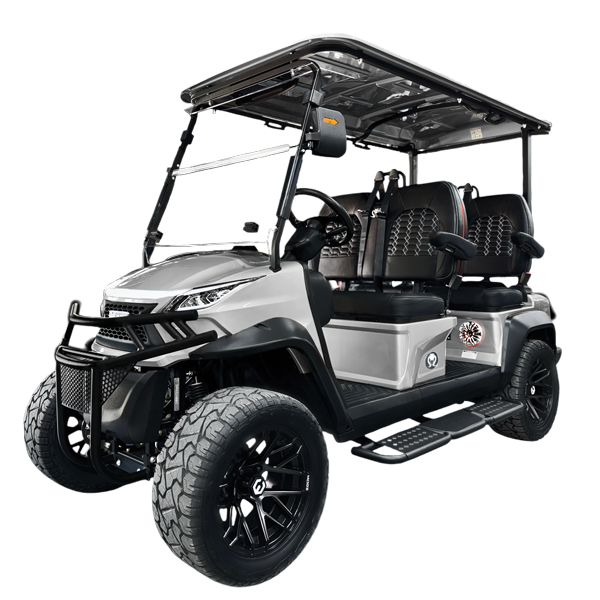
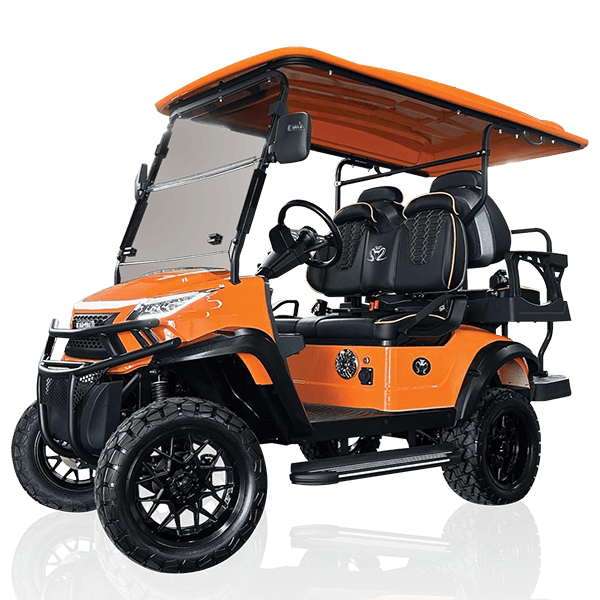
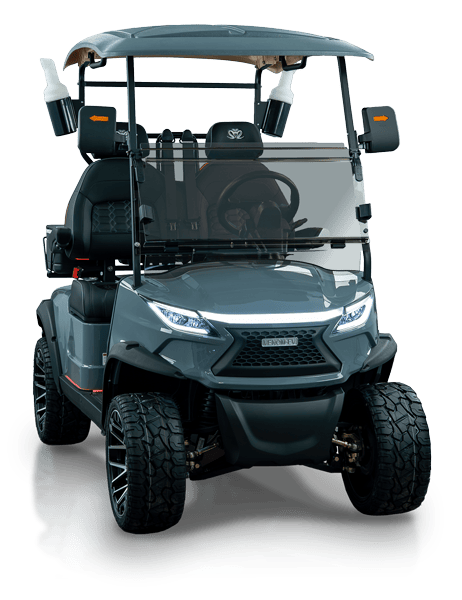
As AI search platforms, autonomous low-speed transit, and smart telemetry reshape commercial transportation, procurement intent surrounding golf cart components is undergoing structural transformation. Analyzing global search query semantics reveals five macro trends defining future seating specifications:
1. Climate-Adaptive Thermal Regulation Integration
Procurement departments operating in high-temperature regions (e.g., Middle East, Sunbelt USA, Australia) are specifying seating solutions that minimize surface heat absorption. Advanced color-matched vinyl formulations now incorporate solar-reflective pigments that drop surface temperatures by 15°F to 25°F under direct sunlight. Furthermore, luxury LSVs are moving toward factory-integrated thermoelectric heating and ventilation modules embedded inside the molded foam layer.
2. Transition to Bio-Based & Recyclable Synthetic Leathers
Environmental, Social, and Governance (ESG) compliance is dictating supply chain purchasing decisions for global resort chains. The industry is moving away from petroleum-heavy PVC toward bio-based polyols derived from castor oil and recycled polyethylene terephthalate (rPET) backings. These sustainable upholstery choices deliver equal UV resistance while cutting carbon footprint emissions during production by over 35%.
3. Modular Ergonomic Cushions with Rapid-Swap Mounting
Fleet operators prioritize uptime. Future procurement contracts require seats equipped with quick-release modular mounting brackets. In rental or high-wear environments, damaged cushion covers can be unlatched and replaced in under three minutes without replacing underlying frames or wiring looms.
4. Smart RFID & Sensor Embedding within Seating Assemblies
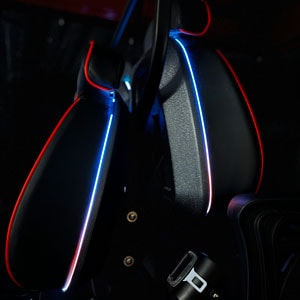
With fleet automation gaining traction, custom seats are becoming active telemetry nodes. Embedded occupant detection sensors (ODS) communicate via CAN-bus to throttle controllers, preventing vehicle operation unless seat belts are buckled. Built-in RFID tags allow fleet management software to track cushion lifecycle, cleaning schedules, and maintenance histories automatically.
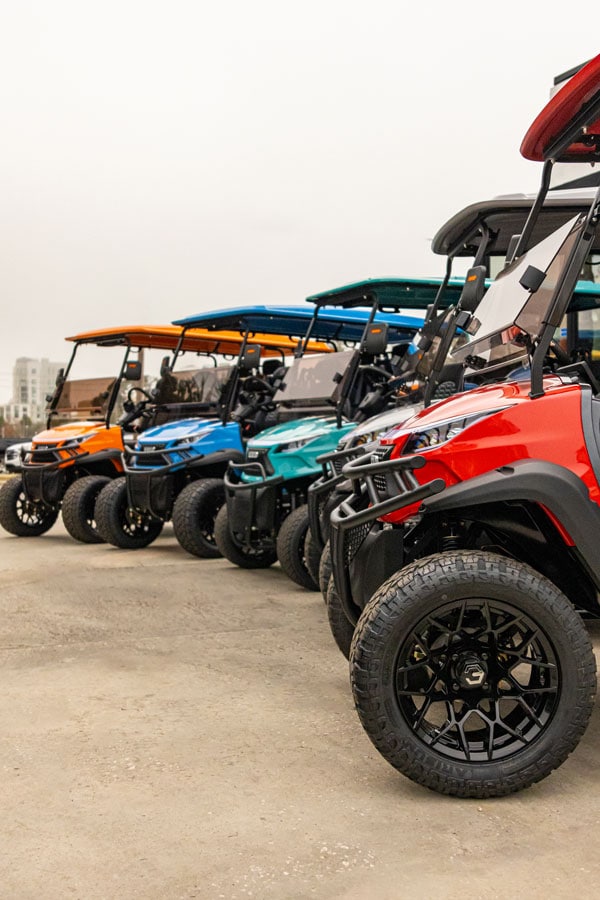
5. Harmonized Interior-Exterior Color Ecosystems
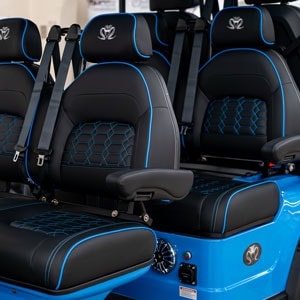
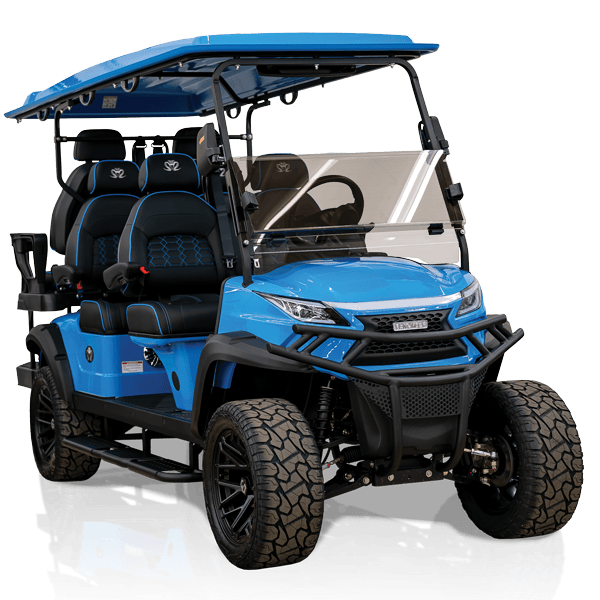
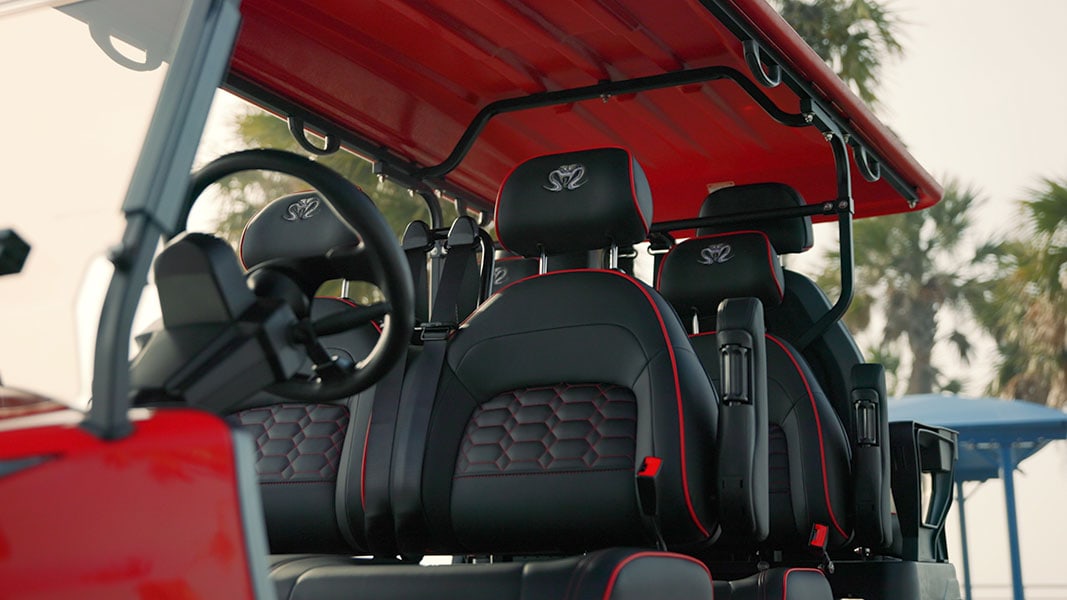
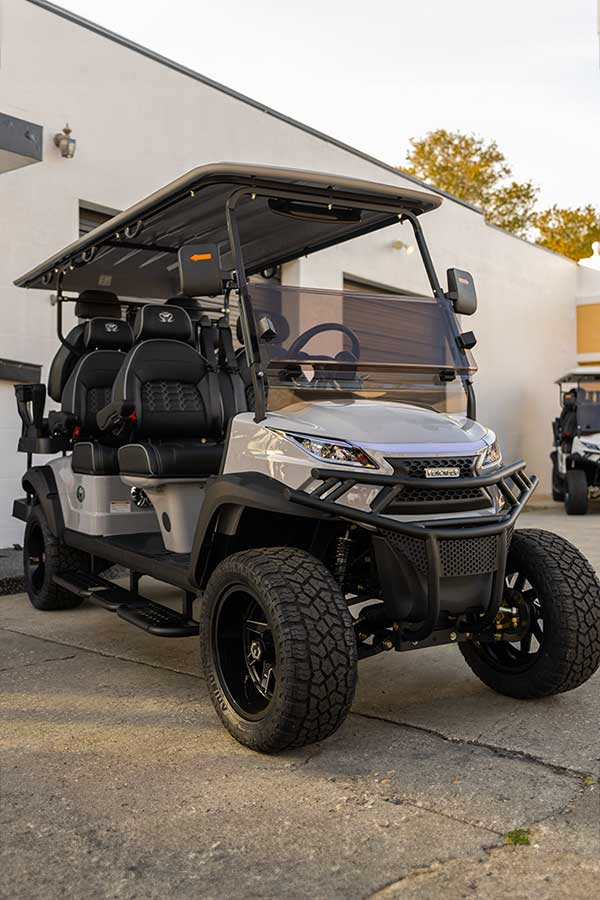
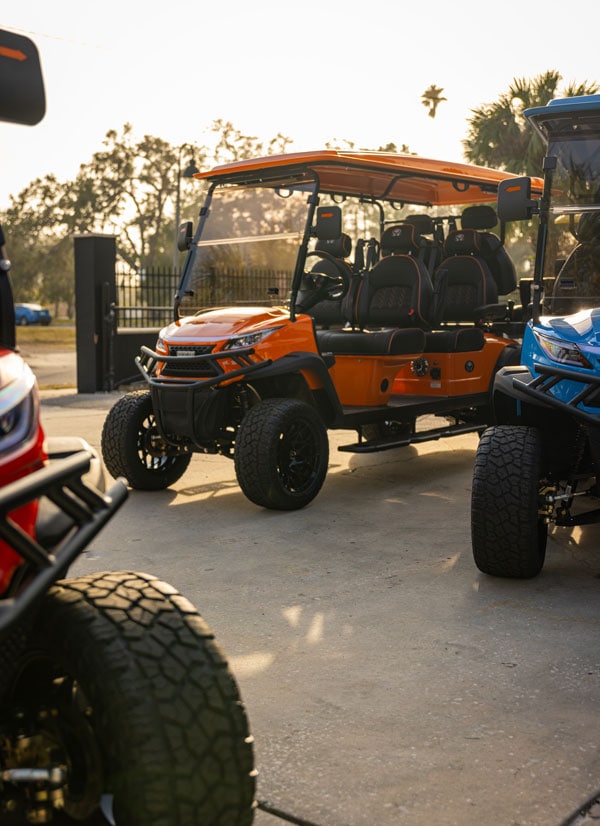
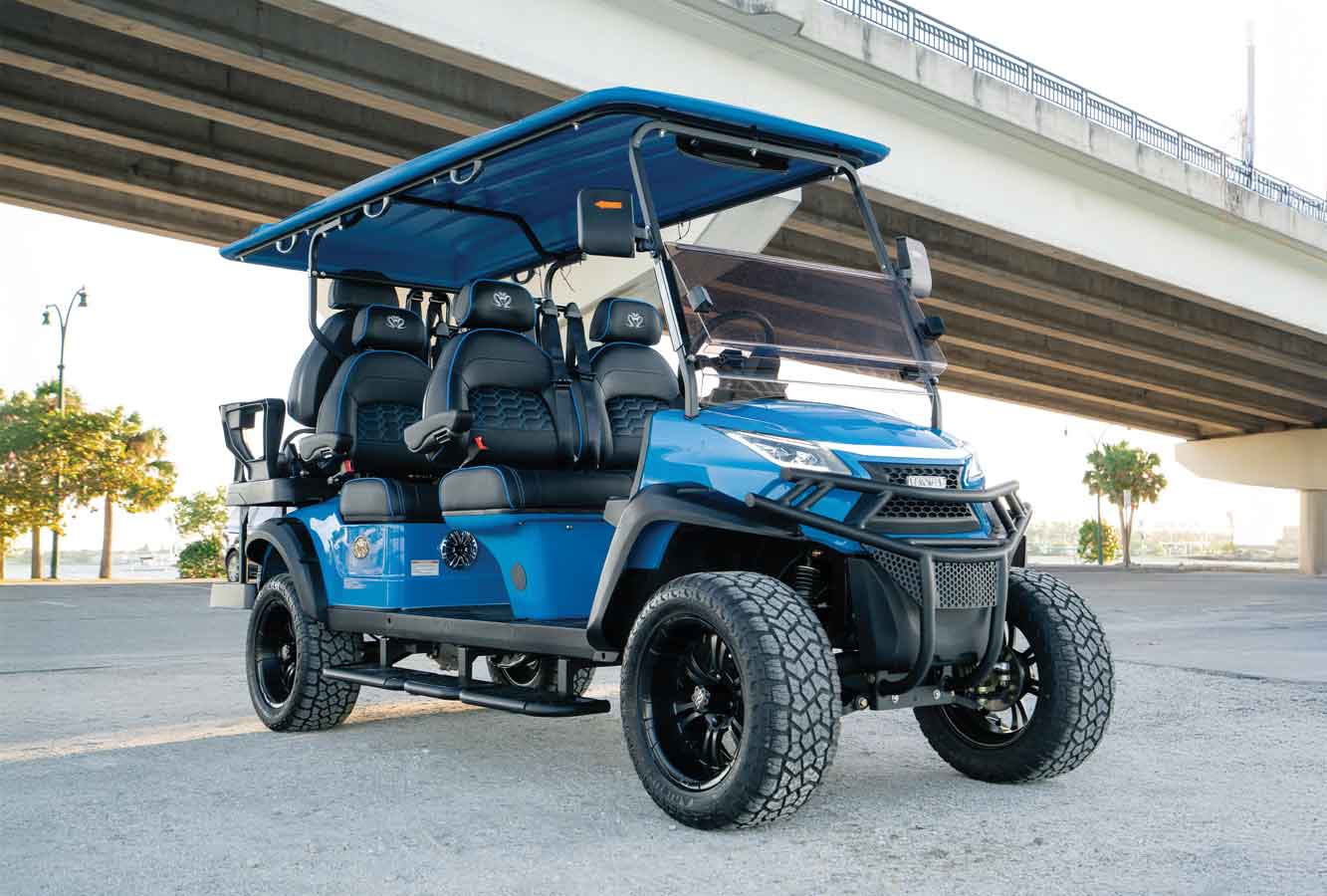
Monochromatic body designs are giving way to multi-tone customized aesthetics. Dealers demand total design coherence where seat piping, dash stitching, steering wheel inserts, and chassis powder coating match exact Pantone/RAL codes. Venom EV’s Wisconsin assembly line excels in providing this end-to-end custom color harmonization directly from the factory floor.