CAN-BUS INTEGRATION & SIGNAL PROTOCOLS Why Manual Toggle Displays Fail in Modern Fleet Operations
In legacy golf cart builds, rear-view vision systems relied on aftermarket monitor add-ons connected to manual toggle switches or mechanical reverse microswitches mounted on lower chassis linkages. These external systems suffered high failure rates due to water intrusion, mechanical wear, and slow user engagement response times. In commercial fleets and street-legal LSV environments, visual coverage must be immediate, automatic, and uncompromised.
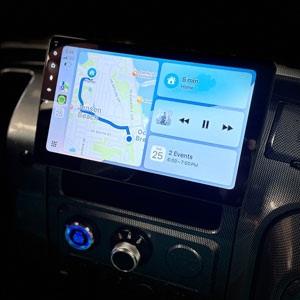
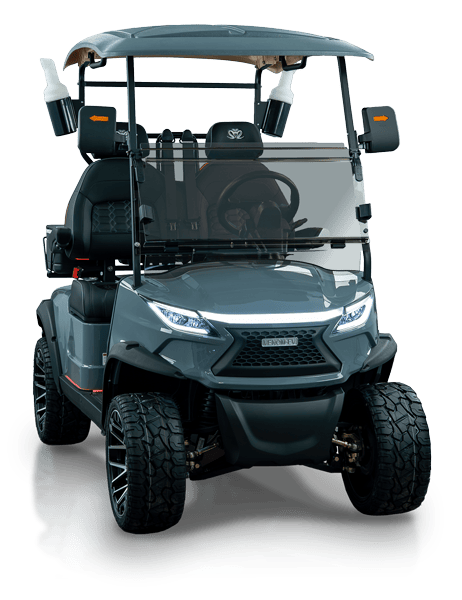
A true OEM-grade Golf Cart Automatic Backup Camera system eliminates manual switches by interfacing directly with the vehicle's electronic CAN-bus transmission controller and central digital dash display. The moment the driver shifts the direction selector into reverse (R), a digital signal interrupt is broadcast across the bus network. This interrupt forces the infotainment head unit to immediately suspend active touchscreen tasks—such as Apple CarPlay navigation or media streaming—and render the high-definition rear video feed within 150 milliseconds.
Optical Engineering: Resolving EMI Distortions & Low-Lux Operational Challenges
Electric golf carts present a harsh electromagnetic environment. High-amp draw from heavy-duty 48V or 72V AC induction traction motors generates significant radio frequency (RF) and electromagnetic interference (EMI). Lower-tier analog video signals (such as legacy CVBS coax systems) experience visual rolling lines, static noise, and screen blackout when accelerating in reverse under high load.
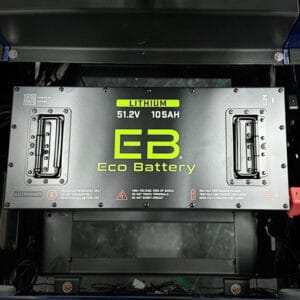
To deliver true automotive reliability, Venom EV engineers employ Analog High Definition (AHD) 1080p optical sensor architectures utilizing localized differential signal processing and double-shielded twisted pair (STP) automotive wiring harnesses. Powered via an isolated 12V DC-DC regulated buck converter tied directly to our 105 Ah / 160 Ah LiFePO4 Eco Battery systems, the camera feed remains completely immune to traction motor voltage sags and high-frequency EMI noise.
- 170-Degree Wide Field of View (FOV): Multi-layer element glass lens (5G/6G glass array) designed to capture peripheral cross-traffic, low-profile obstacles, and trailing pedestrian movement behind elevated chassis platforms.
- Starlight Low-Lux Illumination: Advanced 1/2.9" CMOS image sensors with dynamic noise reduction capable of clear optical capture down to 0.001 Lux, eliminating the need for harsh infrared LEDs that blind trailing drivers.
- Dynamic Trajectory Gridlines: Real-time steering angle sensor integration that overlays predictive curved trajectory lines on the touchscreen dash as the steering wheel is turned, assisting drivers in tight parking maneuvers.
- IP69K Hermetic Enclosure: Ultrasonic alloy housing designed to withstand daily high-pressure washdowns, salt spray in coastal resorts, and severe thermal shock testing ranging from -40°C to +85°C.