Premium Street-Legal Electric Golf Carts · Built In Monroe, Wisconsin
- About
- Models +
- Resource +
- Resources
- Find A Dealer
- Become A Dealer
- Warranty
- Contact

Engineered for high-humidity tropical climates, gated residential communities, urban resorts, and industrial corridor transit across Panama.
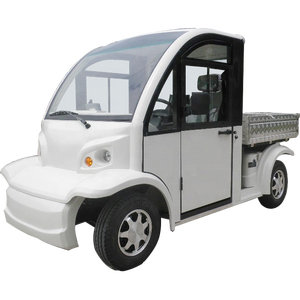
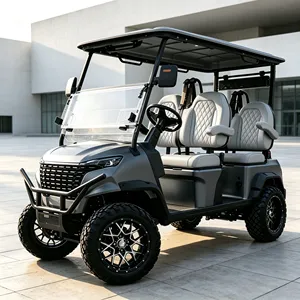
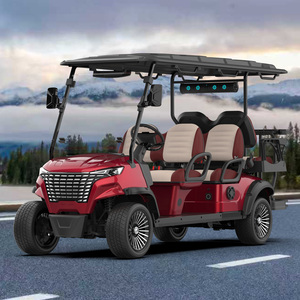
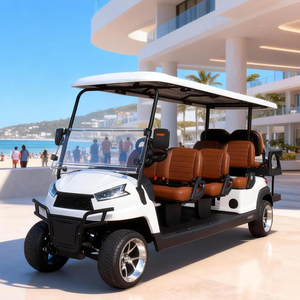
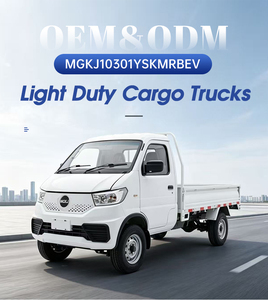
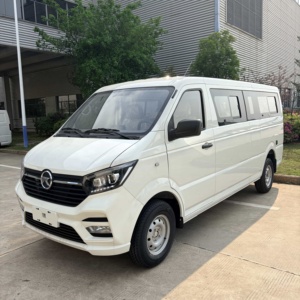
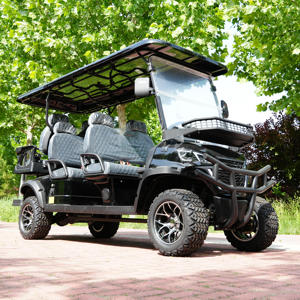
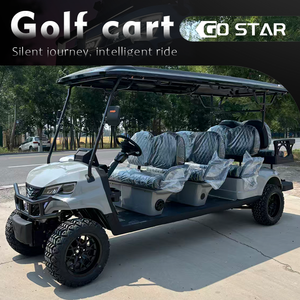
The Republic of Panama has emerged as Latin America’s undisputed nexus for logistics, international maritime commerce, and sustainable urban infrastructure. Driven by the national decarbonization roadmap established under Law 295 of 2022—which mandates strict quotas for electric vehicle integration across public, commercial, and private sectors—Panama’s demand for low-speed vehicles (LSV), utility neighborhood electric vehicles (NEV), and specialized short-distance passenger shuttles has experienced exponential growth.
As urban density expands across high-value zones such as Costa del Este, Santa María Golf & Country Club, Panama Pacifico, and the historic resort enclave of the Amador Causeway, traditional internal combustion engine (ICE) transport faces severe operational challenges. Urban noise mitigation, strict emissions thresholds, high fuel costs, and tight perimeter turning radiuses require a strategic paradigm shift toward light, purpose-built electric vehicle platforms.
Neighborhood vehicle factories serving the Panamanian market must navigate a distinct micro-climate and operational environment. Vehicles deployed in Panama must withstand maritime atmospheric salinity, tropical torrential precipitation (averaging over 3,000 mm annually), high relative humidity (exceeding 85%), and intense ambient thermal stress without structural degradation or electrical fault. Factory-direct OEM partnerships providing custom-engineered, heavy-duty chassis and advanced lithium-iron-phosphate (LiFePO4) chemistry are essential to securing long-term fleet ROI for Panamanian operators.
Exemption from import tariffs and selective consumption tax (ISC) for fully electric factory-certified NEVs imported into Panama.
Automotive-grade cathodic dip electrocoating protects sub-frames against maritime air corrosion in Colon and Panama City coasts.
5kW to 10kW AC induction motors calibrated for elevation shifts in Boquete, El Valle, and steep resort topographies.
Supplying neighborhood transportation vehicles to Panama requires an uncompromised focus on structural metallurgy and electrical encapsulation. Standard golf cart frames constructed from mild steel suffer rapid oxidation when exposed to Panama’s coastal salt spray. Our partner manufacturing facilities utilize an advanced 7-Stage Phosphating and Electro-Phoretic Coating (E-Coat) protocol combined with structural T6-grade aluminum chassis options.
Furthermore, our manufacturing line integrates uniquely coded vehicle ignition keys rather than universal industry keyways. For community fleet operators, resort managers, and logistics providers in Panama’s Zona Libre de Colón, this factory-level security measure prevents unauthorized vehicle access, reducing insurance premiums and operational liability.
Neighborhood Electric Vehicles serve multifaceted economic segments throughout Panama. Factory customization must directly align with localized user intent and spatial constraints:
In enclaves like Buenaventura, Coronado, and Santa María, residents utilize custom 4-seater and 6-seater luxury LSVs for intra-community commuting, club visits, and neighborhood trips. Features like color-matched premium marine-grade vinyl seating, Apple CarPlay touchscreen dashboards, and automated backup cameras provide automotive-level comfort.
Island resorts in Bocas del Toro, Pearl Islands (Contadora), and Isla Secas demand zero-emission passenger shuttles. Heavy-duty 8-seater open-air carts and 4+2 convertible flip-seat models allow quiet, pristine transport without disturbing fragile tropical ecosystems or guest tranquility.
Within the Colon Free Trade Zone (Zona Libre) and Tocumen Logistics Park, 1.5-ton capacity LFP battery electric pickup trucks and RHD cargo carts handle high-frequency intra-warehouse transfer, parcel delivery, and maintenance support with 70% lower operational costs than diesel vans.
For staff commuting between expansive industrial parks and adjacent residential hubs, petrol minibuses like the 14-seater KAMA SP7 offer high-capacity, durable transport designed for long-shift operations where rapid grid recharging infrastructure may still be in development.
Building a reliable micro-mobility ecosystem in Central America demands more than off-the-shelf imports. It requires an agile manufacturing partner capable of precise engineering adjustments, rigorous quality control, and robust supply chain integration tailored to Panama’s economic environment.
Seamless FOB, CIF, or DDP delivery directly to Panama City, Colón, or Chiriquí with full customs documentation compliance.
Chassis modification, payload expansion, solar-panel roof integrations, and specialized gearing for hilly terrain.
100% factory road-testing, high-pressure water stall leaks checks, and battery burn-in tests prior to container sealing.
Whether you are expanding a dealer network in Panama, procuring a utility transport fleet for a municipality, or upgrading luxury amenities for a resort development, our neighborhood vehicle manufacturing facilities stand ready to deliver high-performance electric vehicles designed for the future of Panamanian mobility.
Connect with our technical engineering and international export team to request wholesale pricing, OEM/ODM customization catalogs, or detailed Panamanian market shipping quotes.