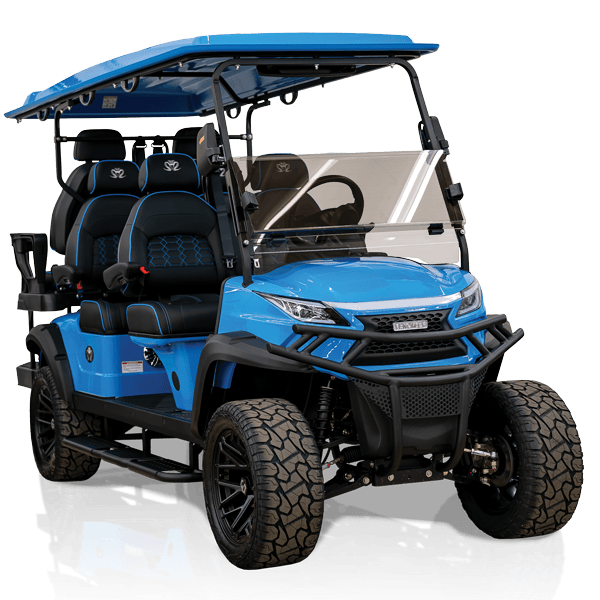
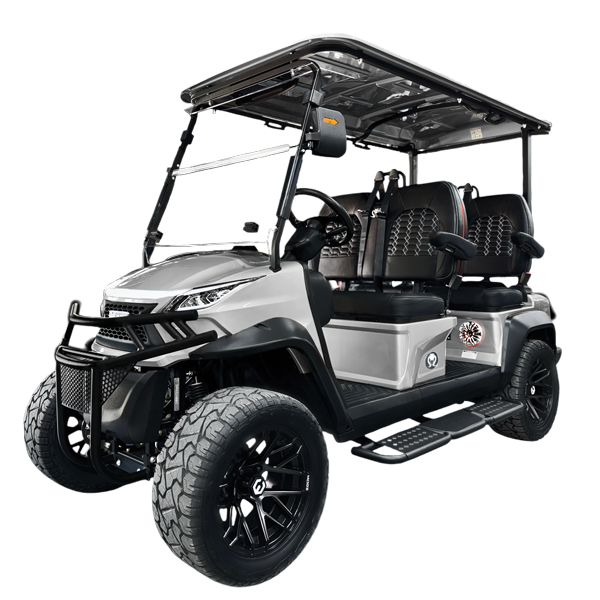
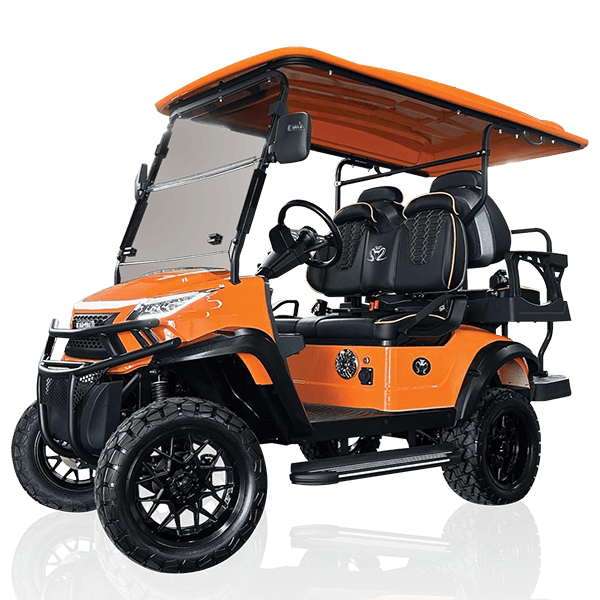
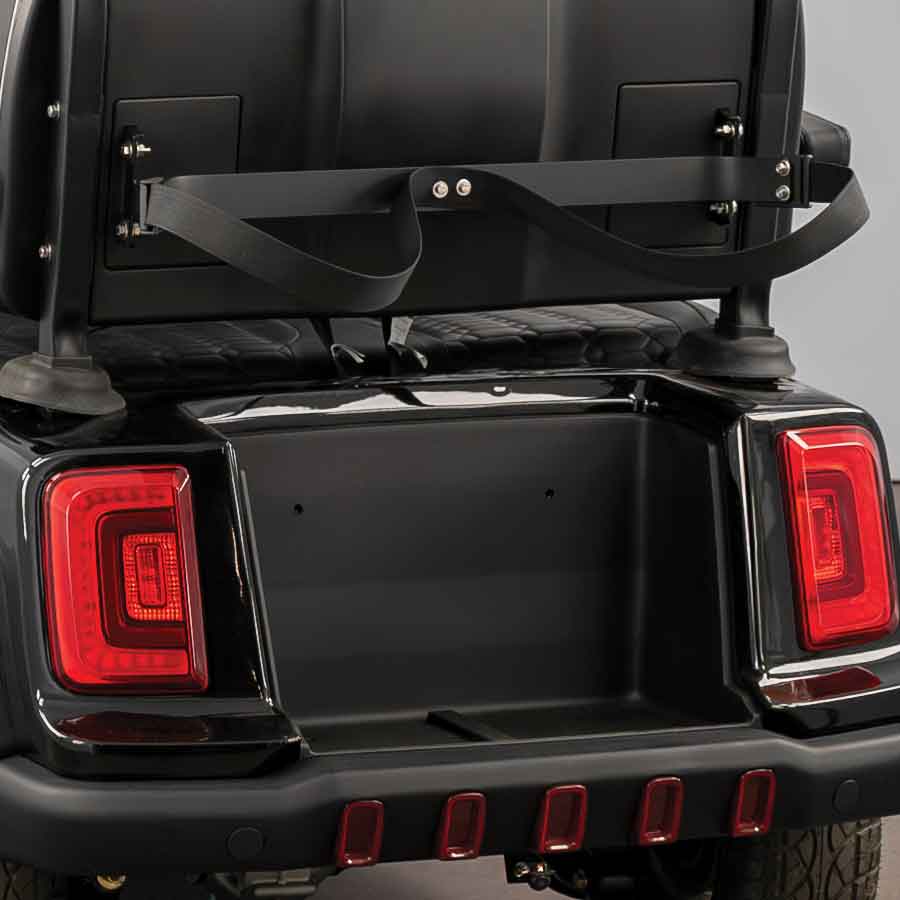
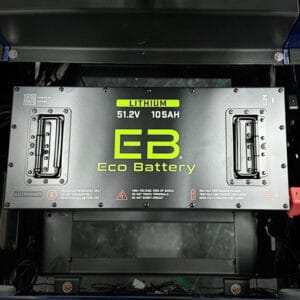
The global market for Neighborhood Electric Personal Transportation Vehicles (NEVs) is undergoing an unprecedented structural transition. What was historically restricted to standard, low-speed golf course buggies has rapidly evolved into a sophisticated sub-sector of urban micro-mobility and commercial fleet transportation. Driven by municipal zero-emission mandates, strict noise pollution regulations, and escalating fossil fuel costs, international procurement officers, commercial property developers, and dealership networks are actively re-evaluating their light-vehicle sourcing strategy.
Modern Neighborhood Electric Vehicles operating under Low-Speed Vehicle (LSV) classifications must meet rigorous engineering parameters. Specifically within North America and European import markets, compliance with Federal Motor Vehicle Safety Standard 500 (FMVSS 500) and European Whole Vehicle Type Approval (WVTA) mandates that vehicles capable of speeds up to 25 mph (40 km/h) feature automotive-grade safety equipment. These standards transition NEVs from simple recreational buggies into fully titleable, insured, and street-legal transportation assets capable of operating on public thoroughfares with posted speed limits up to 35 mph.
For high-volume buyers, selecting an OEM manufacturing partner is no longer solely about aesthetic design; it requires a deep analysis of battery thermal stability, frame structural metallurgy, telematics integration, and long-term total cost of ownership (TCO). Venom EV stands at the forefront of this industrial shift, engineering premium 2-seater, 4-seater, and 6-seater NEV platforms in Monroe, Wisconsin, that deliver unmatched information gain, user intent satisfaction, and operational efficiency for global fleet deployments.