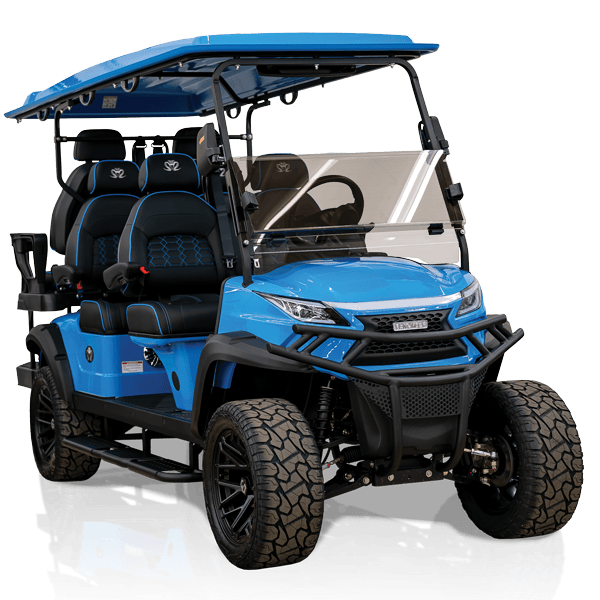
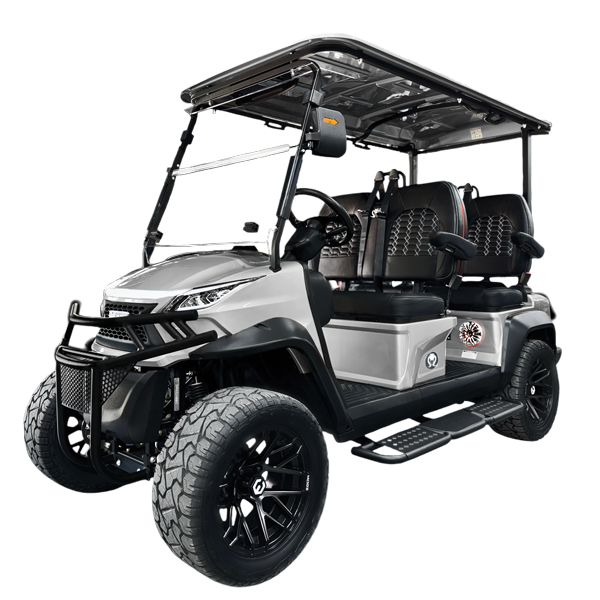
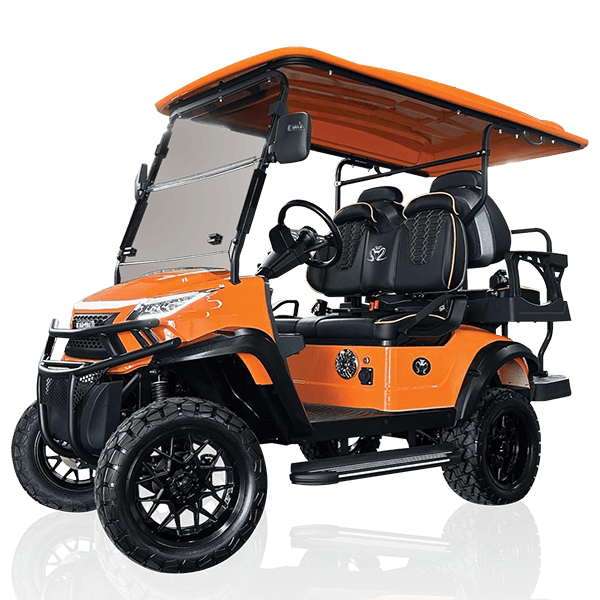
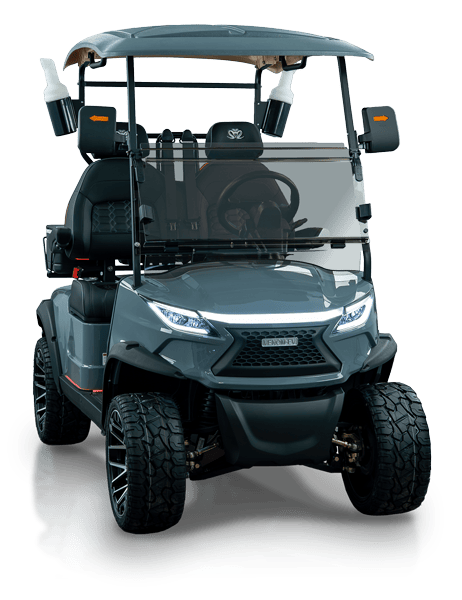
1. The Shift Toward Security-First Fleet Asset Architecture
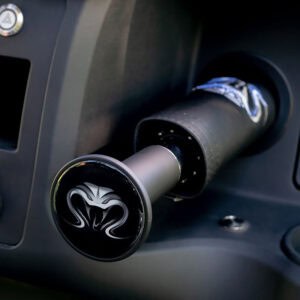
Global commercial buyers are moving away from treating golf carts as consumable equipment. Today, electric micro-mobility carts are capitalized long-term assets. In multi-user corporate settings—such as university campuses, hospital grounds, commercial ports, and gated master-planned developments—uncontrolled vehicle access generates significant financial risk. Recent insurance studies reveal that over 65% of golf cart theft incidents occur due to standard key compatibility. Implementing Unique Coded Key Golf Cart Security is now a key requirement in municipal, resort, and commercial RFP specifications globally.
2. Lithium Iron Phosphate (LiFePO4) as the Universal Enterprise Standard
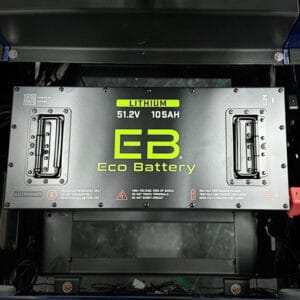
Lead-acid battery systems are rapidly becoming obsolete in enterprise micro-mobility procurement. Commercial operators can no longer afford the maintenance labor (distilled water topping, acid neutralization, terminal corrosion cleaning) or frequent replacement costs associated with flooded lead-acid batteries. LiFePO4 chemical architecture provides superior energy density, rapid 4-hour full recharge cycles, and zero out-gassing safety risks. With an 8-year warranty, lithium-powered fleets drastically reduce operational downtime and power cost per kilometer.
3. Integration of Intelligent Telematics & Digital Dash Controls
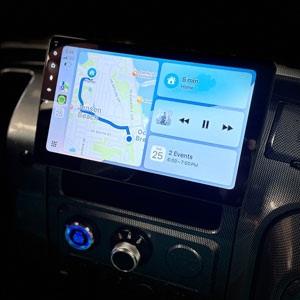
Future B2B procurement strategies prioritize vehicles equipped with CAN-bus digital diagnostics and connected dashboard operating systems. Modern fleet managers expect real-time visibility into battery state of charge (SoC), reverse parking camera feeds, Apple CarPlay / Android Auto connectivity for mobile dispatching, and automated diagnostic trouble code (DTC) reporting. Venom EV integrates these automotive-grade features into every standard dashboard, ensuring seamlessly connected vehicle management.
4. DOT LSV Street-Legal Certification for Public Road Access
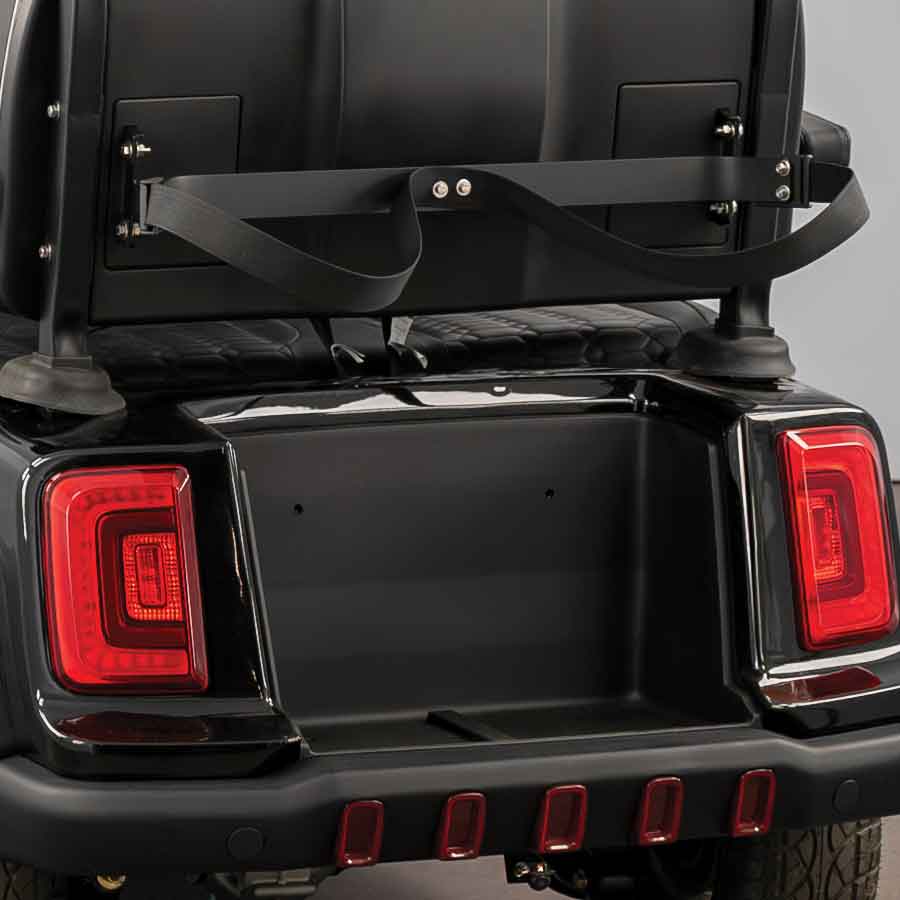
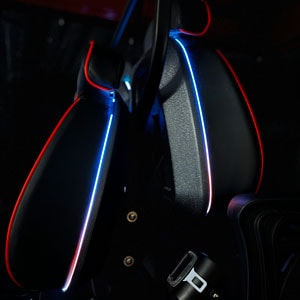
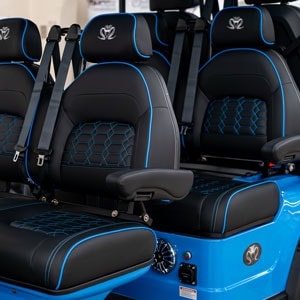
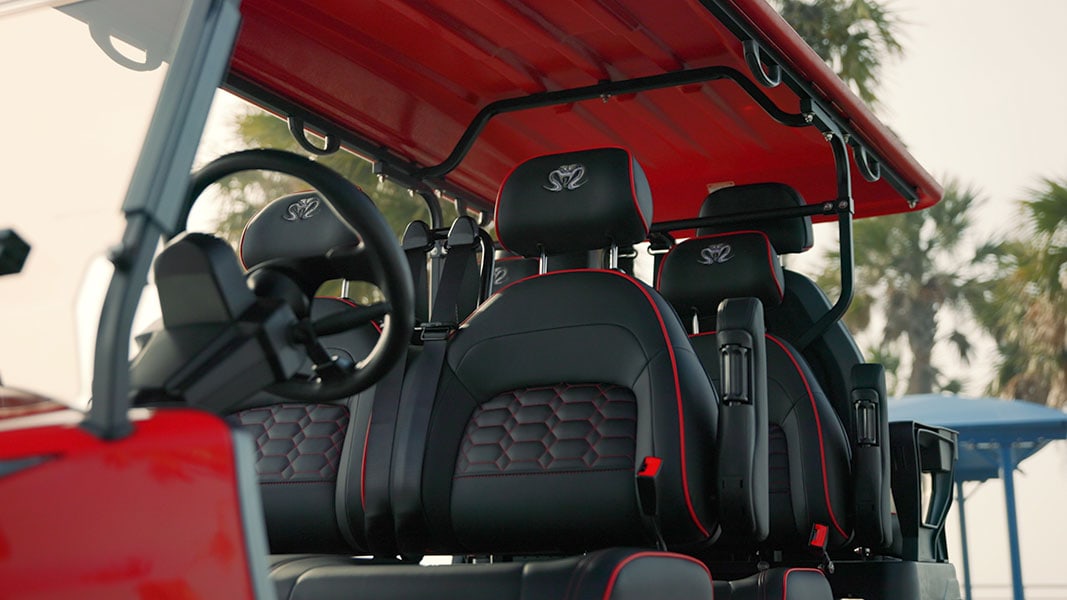
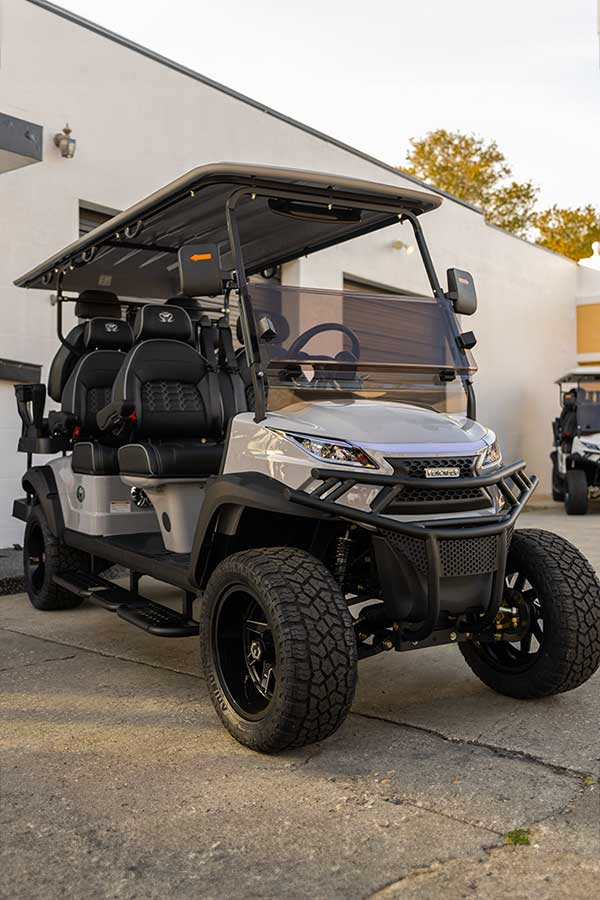
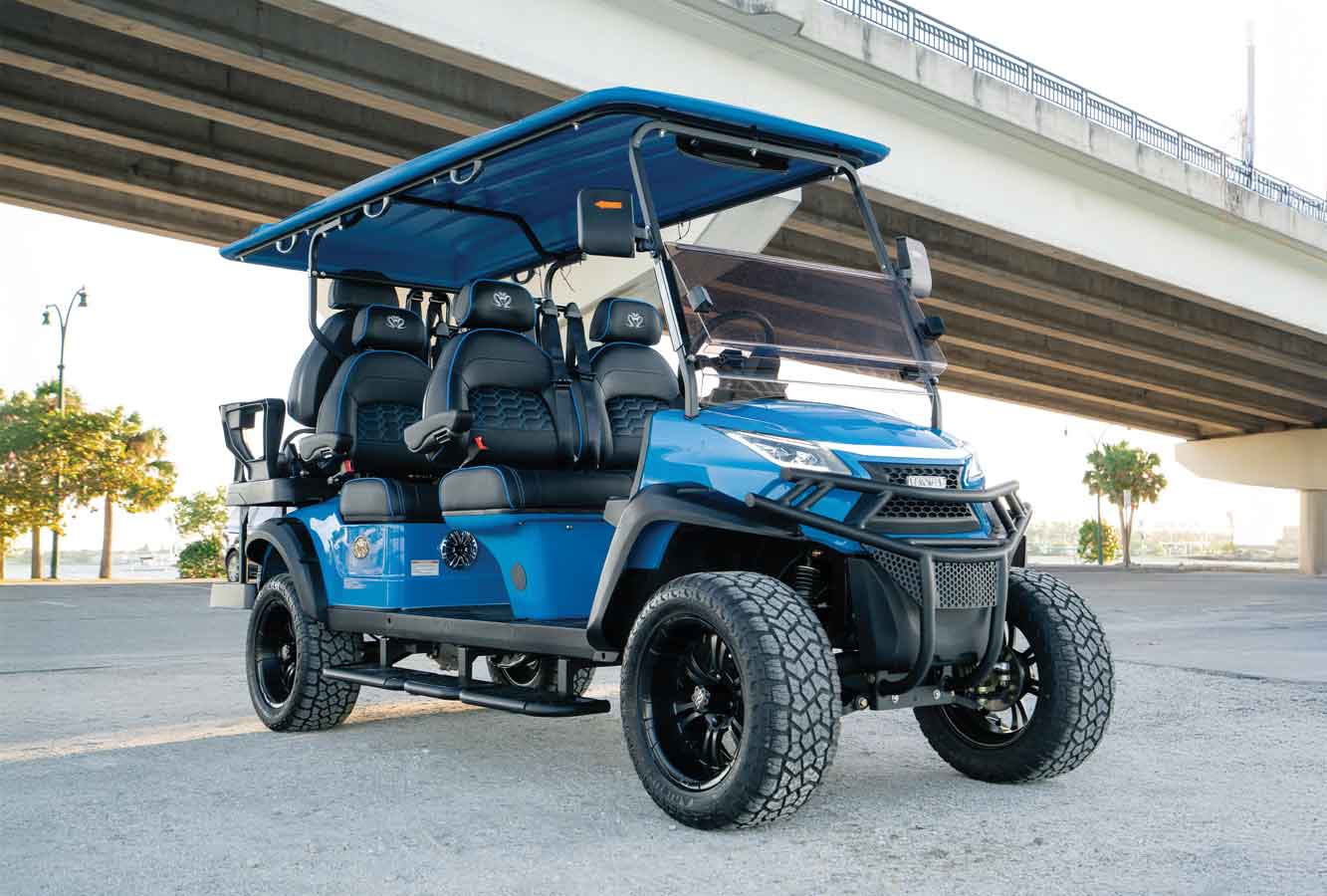
As urban mobility policies evolve, commercial operators require electric carts capable of legally navigating low-speed public roadways (up to 25 mph / 40 km/h). Equipping vehicles with complete NHTSA-compliant hardware—including certified 3-point seat belts, DOT glass windshields, automotive exterior lighting, side mirrors, and 17-digit VIN titling—enables fleets to travel between private facilities and public road infrastructure without regulatory non-compliance fines.