Trend 1: Standardized Factory OEM Integration vs. Aftermarket Retrofitting
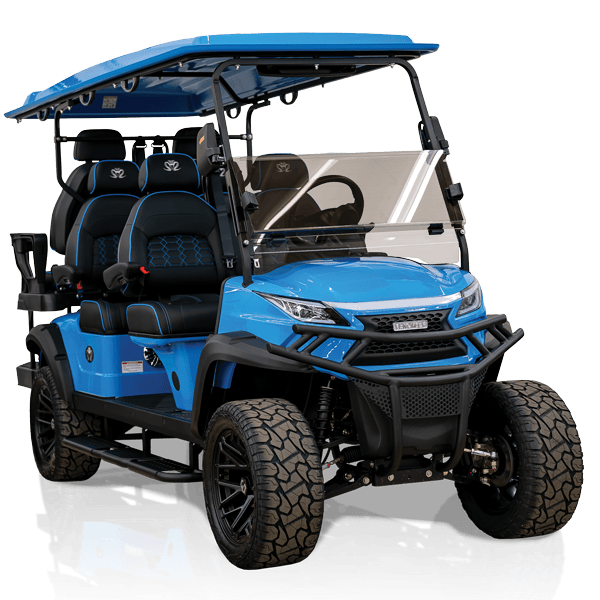
Historically, ambient lighting was sold exclusively as a third-party aftermarket kit. However, global procurement data indicates a decisive migration toward factory-installed OEM voice lighting solutions. Commercial buyers and golf cart dealerships are demanding turnkey vehicles equipped with pre-molded wire harnesses, IP67-rated waterproof connectors, and integrated dash housings. Factory integration reduces dealer assembly labor by up to 3.5 hours per vehicle and eliminates electrical short risks caused by improper aftermarket taps into 48V power lines.
Trend 2: Dynamic RGBIC Multi-Zone Light Pixelization
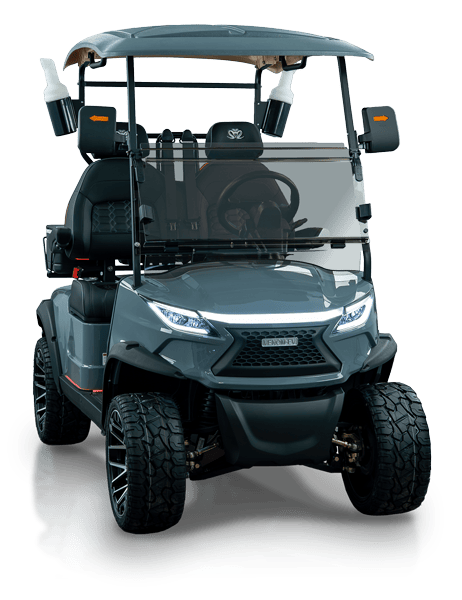
Single-color standard RGB LED strips are rapidly being rendered obsolete by high-density RGBIC (Integrated Circuit) addressable LED channels. Future voice-controlled ambient lighting systems allow multi-zone color execution. For example, issuing the command "Activate Lounge Mode" can project soft warm-amber hues along passenger footwells while displaying cool-white task illumination across the front dash controls. In commercial rental fleets, custom color zone programming allows resort operators to reflect corporate brand aesthetics across their transport fleet automatically.
Trend 3: Synergy with Street-Legal LSV Safety & DOT Regulations
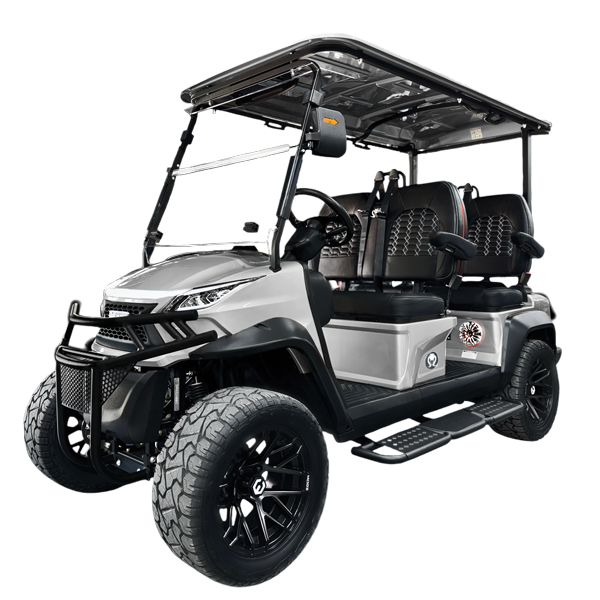
As golf carts increasingly receive street-legal certification as Low-Speed Vehicles (LSVs) under NHTSA guidelines (FMVSS 500 standards), cabin lighting rules have tightened. Future voice light systems are pre-programmed with automatic "Road Safety Lockouts." When the vehicle's gear selector is shifted into Forward or Reverse, or when vehicle speed exceeds 15 mph, the voice control module automatically dims interior ambient brightness and locks out distracting strobe or flash modes, ensuring compliance with local vehicle operation laws.
Trend 4: Smart Battery BMS Telemetry & Ambient Visual Alerts
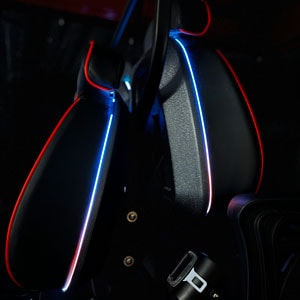
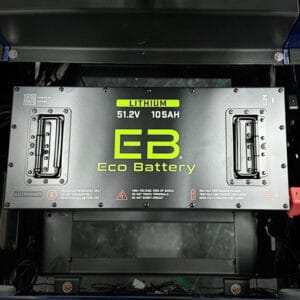
The next frontier of voice-controlled ambient lighting merges aesthetic customization with battery health monitoring. Next-gen controllers connect directly to the LiFePO4 battery's CAN-bus network. In addition to manual color choices, the voice system can respond to status requests. Asking "Battery status?" prompts the ambient light strip to flash green for optimal charge, yellow for 30% remaining, or pulse red when charge drops below 15%, giving drivers immediate, non-intrusive visual feedback.